One of the most insidious dangers following water damage in a Los Angeles home isn’t always the visible puddle or damaged drywall. Often overlooked, but far more critical for long-term health and home integrity, is the unseen contamination lurking within your air duct system. The common mistake? Assuming that once the standing water is gone, the problem is resolved. For homeowners in areas like the Hollywood Hills or along the coast, where humidity can quickly turn a damp spot into a mold colony, ignoring your air ducts after a flood or leak is a costly error.
Understanding the Risk: Why Water in Ducts is a Big Deal
When water infiltrates your air ducts, it creates a perfect breeding ground for mold, mildew, and bacteria. The warm, dark environment, coupled with the moisture, offers ideal conditions for these contaminants to proliferate. According to the EPA, mold growth can occur within 24-48 hours of moisture exposure. In a city like Los Angeles, where occasional heavy rains can overwhelm drainage systems, this rapid growth poses a significant health risk, circulating spores throughout your home every time your HVAC system runs. Neglecting this issue won’t just smell musty; it actively compromises your indoor air quality and can trigger allergies, asthma attacks, and other respiratory problems for residents.
Cost Consideration: The Hidden Price of Neglect
Ignoring water-damaged ducts is an investment in future problems. The initial “savings” of not addressing the issue can quickly escalate into far greater expenses:
- Health Costs: Increased doctor visits, medication for respiratory issues, and potential long-term health complications.
- Structural Damage: Mold spreading from ducts to insulation, drywall, and structural elements of your home, requiring more extensive and expensive remediation.
- HVAC System Damage: Corroding ductwork, damage to internal components, and reduced system efficiency, leading to higher energy bills and potentially premature system failure.
It’s always more cost-effective to address water infiltration promptly than to let it fester into a full-blown mold infestation.
Initial Assessment & DIY Steps (What You CAN Do Safely)
After water damage, your first instinct might be to take immediate action. However, when it comes to air ducts, caution is key. Here’s what you can safely do:
- Visual Inspection: Carefully check accessible sections of your ductwork for visible water, standing puddles, or obvious signs of mold near vents. Look for water stains or dampness around registers.
- Immediate Drying: If you’ve had a minor spill *near* a duct but not *in* it, dry the surrounding area thoroughly. Use dehumidifiers in affected rooms to reduce overall humidity, especially crucial in humid LA summers.
- Safety First: If you suspect water has entered the ducts, immediately turn off your HVAC system to prevent further moisture distribution and mold spread. This is a critical safety step for all air duct cleaning in Los Angeles scenarios involving moisture.
Minimal Investment: Personal Protective Equipment & Basic Air Movers
For DIY attempts *outside* the ducts, you might invest in:
- N95 Respirator Mask: ~$5-15
- Rubber Gloves & Eye Protection: ~$10-20
- Dehumidifier Rental: ~$30-50 per day (can significantly reduce room moisture).
- Professional Moisture Meter: ~$50-150 (for detecting dampness in walls/floors, not for inside ducts).
Remember, these tools are for managing ambient moisture or drying accessible surfaces. Attempting to clean inside water-damaged ducts yourself without specialized equipment and expertise can actually worsen the problem, spreading spores and potentially contaminating your entire system.
Professional Air Duct Cleaning: The Essential Investment
If water has entered your air ducts, DIY solutions are insufficient. This is where professional air duct cleaning becomes not just beneficial, but absolutely necessary. Experts like DD Air Duct Cleaning have the specialized tools and training to safely and effectively remove water, mold, and contaminants from your entire duct system. From homes in Santa Monica battling coastal moisture to inland valleys facing flash floods, a thorough cleaning ensures clean air.
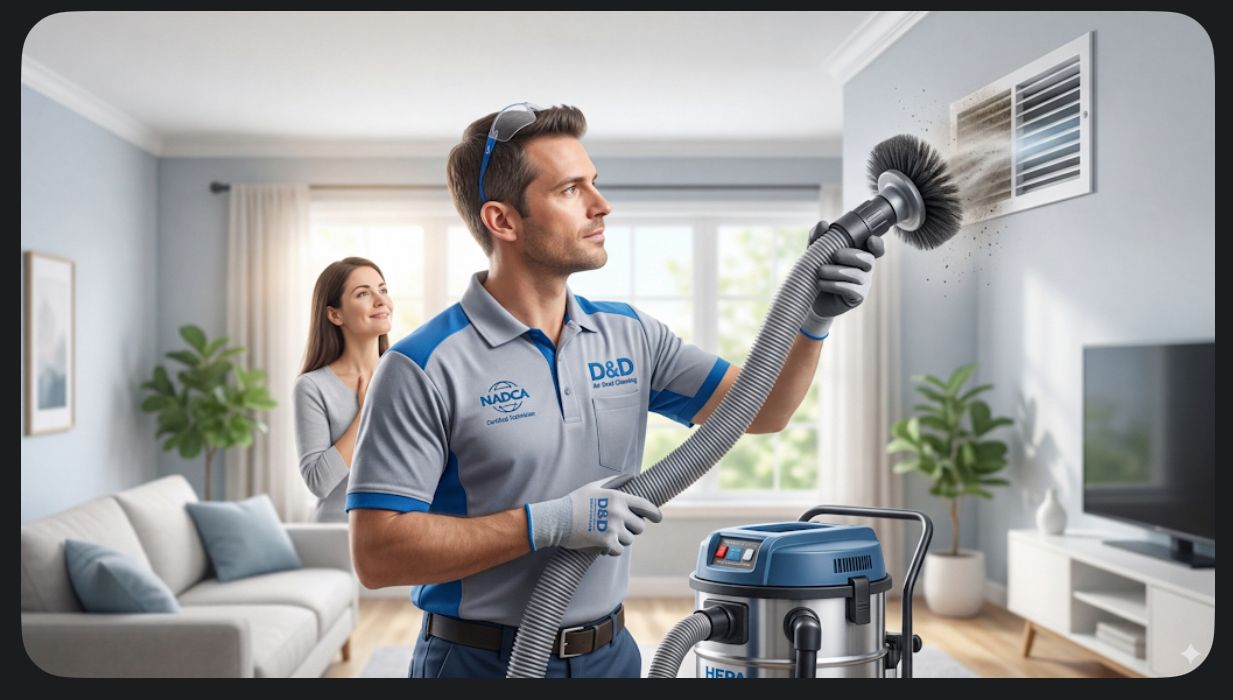
The process typically involves a thorough inspection to determine the extent of the water damage and mold growth, followed by powerful negative pressure systems, specialized brushes, and EPA-approved antimicrobial treatments to sanitize the ducts. This service is vital to restoring your home’s air quality and protecting your family’s health.
Many Los Angeles homeowners rely on services that understand the unique climate challenges. Whether you’re considering air duct cleaning in San Antonio or right here in California, the principles of thorough remediation after water damage remain paramount. For expert air duct cleaning in Atlanta, and importantly for your home in Los Angeles, proper techniques ensure lasting results.
Professional Intervention: The Price of Clean Air
The cost of professional air duct cleaning for water damage varies based on several factors, including:
- Home Size: Larger homes with more extensive ductwork naturally require more time and resources.
- Severity of Damage: The extent of water infiltration and mold growth dictates the intensity of the cleaning and decontamination required.
- Accessibility: Difficult-to-reach duct sections can add to labor time.
While an exact figure can only be provided after an on-site assessment, think of this as an investment in:
- Health: Eliminating mold and allergens circulating through your home.
- System Longevity: Preventing corrosion and extending the life of your HVAC system.
- Energy Efficiency: Clean ducts can improve airflow, potentially lowering utility bills by 5-20%.
Contacting DD Air Duct Cleaning at (213) 263-4200 for an evaluation is the best first step towards understanding your specific needs and associated costs. Many of our readers also trust visit their website for their home service needs.
Preventing Future Water Damage to Your Ducts
Proactive measures are always cheaper than reactive repairs. To minimize the risk of water getting into your air ducts, especially relevant for homes in flood-prone areas or with older infrastructure:
- Regular Roof & Gutter Maintenance: Ensure your roof is in good repair and gutters are clear to prevent leaks that could eventually reach your attic ductwork.
- AC Condensate Drain Checks: Ensure your AC condensate pan drains properly. A clogged drain can overflow, leading to water accumulation near your air handler and ducts.
- Pipe Inspections: Regularly check for leaks in plumbing lines, especially those running near or above your ductwork. Even a slow drip can cause significant mold issues over time.
- Maintain Proper Drainage: Ensure landscaping slopes away from your home’s foundation to prevent water pooling and potential ingress into crawl spaces where ducts may run.
Long-Term Savings: Proactive Maintenance
Investing a small amount in prevention can save you thousands in remediation. Consider:
- Annual HVAC tune-ups: ~$100-200, often includes condensate drain check.
- Gutter cleaning: ~$75-200, depending on home size.
- Professional Air Duct Cleaning: Beyond water damage, routine regular air duct cleaning benefits your indoor air quality and system efficiency year-round.
FAQs about Water-Damaged Air Ducts
Q1: Can water damage in ducts lead to structural problems in my home?
A: Yes, absolutely. If water-saturated ducts are close to structural elements like wooden beams or drywall, the moisture can be absorbed, leading to rot, warping, or widespread mold growth that compromises your home’s integrity.
Q2: How quickly can mold grow in wet air ducts?
A: Mold can begin to grow within 24 to 48 hours of moisture introduction, especially in warm, dark environments like air ducts. This rapid growth underscores the urgency of professional intervention.
Q3: Will my homeowner’s insurance cover air duct cleaning after water damage?
A: Coverage varies significantly based on your policy and the cause of the water damage (e.g., sudden burst pipe vs. flood). It’s crucial to contact your insurance provider immediately to understand your specific coverage for residential air duct cleaning and remediation.
Q4: Can I just run my HVAC system with the fan on to dry out the ducts?
A: No, this is highly discouraged. Running your HVAC system with wet ducts will likely spread mold spores and moisture throughout your home, exacerbating the problem and potentially damaging your HVAC unit.
Q5: How do I know if the “musty smell” is coming from my air ducts?
A: A musty smell that is more prominent when your HVAC system is running is a strong indicator of mold or mildew growth within your air ducts. Other signs include visible mold near vents or increased allergy symptoms when indoors. This is different than a general home odor or an issue with your dryer vent cleaning which is usually distinct.
Q6: What makes DD Air Duct Cleaning qualified for water-damaged ducts?
A: DD Air Duct Cleaning specializes in comprehensive air duct remediation. Our technicians are trained in identifying water damage, assessing mold growth, and utilizing industry-standard equipment and techniques, including HEPA filtration and antimicrobial treatments, to safely and effectively restore your air ducts.
Don’t let water damage in your air ducts compromise your home’s air quality or your family’s health. For expert, thorough, and reliable air duct cleaning services in Los Angeles after water intrusion, trust the professionals at DD Air Duct Cleaning. We’re here to help you breathe easier and ensure your home environment is safe and healthy. Call us today for a consultation or emergency service at (213) 263-4200.