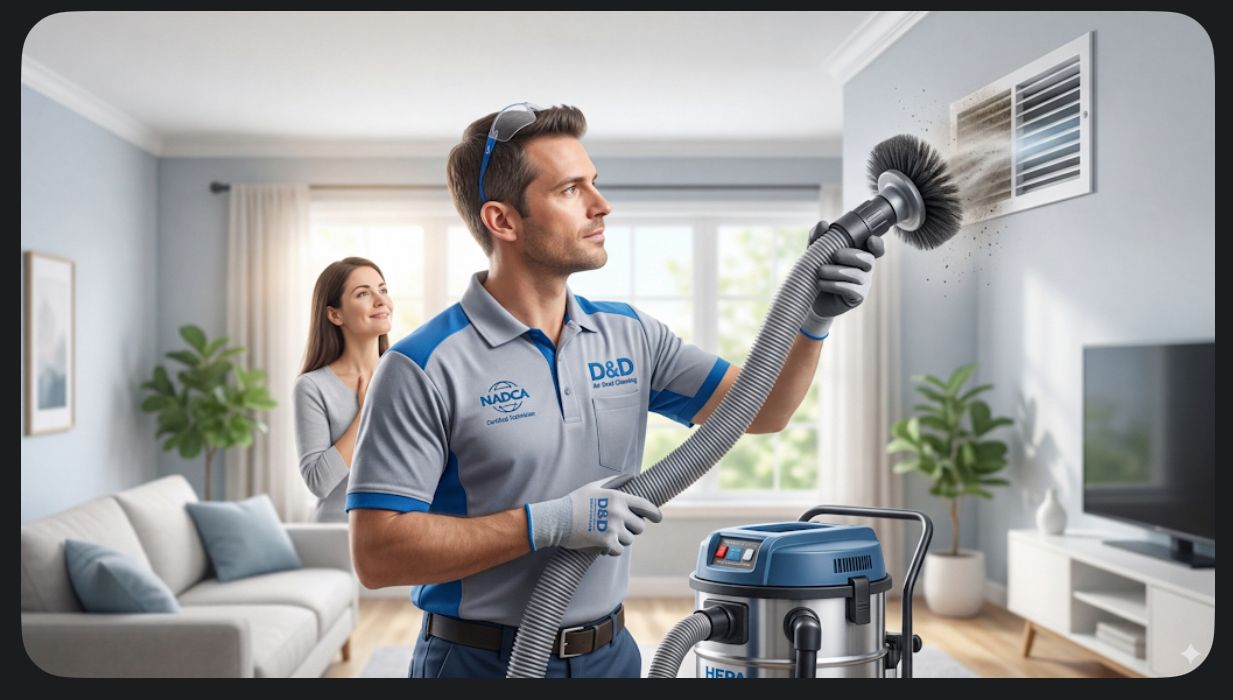
Imagine the air inside your Los Angeles home: unseen particles, dust mites, pet dander, and even mold spores circulating freely through neglected air ducts. This isn’t just about a dusty filter; it’s a silent assault on your indoor air quality, contributing to allergies, respiratory issues, and an overall uncomfortable living environment. In a city like LA, constantly battling smog, wildfire smoke, and high pollen counts, clean air ducts aren’t a luxury—they’re a necessity.
Understanding the materials that make up your home’s air duct system is the first step toward prevention and maintaining a healthy indoor atmosphere. Different materials respond differently to dust accumulation, moisture, and even cleaning techniques. Knowing what’s in your walls and ceilings empowers you to make informed decisions about air duct maintenance, ensuring your home truly breathes clean.
Understanding the Foundation: Why Duct Material Matters
Your air duct system is the respiratory system of your home, and its effectiveness hinges on the materials it’s built from. Los Angeles homes, whether vintage builds in Hollywood Hills or newer developments in the San Fernando Valley, can feature a variety of duct materials, each with unique properties affecting airflow, insulation, and susceptibility to contaminants. For instance, older metal ducts might be more prone to rust in coastal areas, while poorly installed flexible ducts can restrict airflow, making your HVAC system work harder.
The type of material directly influences how effectively we can clean your ducts. At DD Air Duct Cleaning, we encounter everything from sturdy sheet metal to delicate flexible ducts. Each requires a specific approach to ensure thorough cleaning without damage, restoring optimal airflow and preventing the recirculation of airborne pollutants. For comprehensive DD Air Duct Cleaning in Los Angeles, material assessment is always part of our initial inspection.
The Main Players: Common Air Duct Materials in LA Homes
Here’s a breakdown of the most common air duct materials you’ll find in Los Angeles, along with their characteristics and how they impact cleaning:
1. Galvanized Steel or Sheet Metal Ducts
- Pros: Highly durable, non-porous surface, excellent airflow due to smooth interior, resistant to mold growth if kept dry. Common in older, well-built homes.
- Cons: Can be noisy if not properly installed or insulated. Prone to rust if exposed to moisture, which can compromise integrity over time. Can corrode if condensation builds up.
- Cleaning Approaches: These ducts are robust, allowing for aggressive cleaning methods using powerful rotating brushes and high-pressure vacuums. The smooth surface facilitates effective removal of dust and debris, though any rust or loose insulation requires careful attention.
2. Fiberglass-Lined Ducts
- Pros: Offers good thermal insulation and noise reduction, making them ideal for spaces where quiet operation is desired. Often found in multi-story homes or commercial properties.
- Cons: The fiberglass lining can degrade over time, releasing fibers into the air. If exposed to moisture, fiberglass is highly susceptible to mold and mildew growth due to its porous nature. Can be challenging to repair.
- Cleaning Approaches: Cleaning these ducts requires a more delicate touch. We use specialized, soft-bristle brushes and high-powered vacuum systems to dislodge contaminants without damaging the fragile fiberglass lining. Aggressive tools are avoided to prevent fiber dislodgement. If mold is present, specialized remediation techniques are essential.
3. Flexible Ducts (Flex Ducts)
- Pros: Inexpensive, easy to install, and versatile for navigating tight spaces. Commonly used in attics or crawl spaces of many Los Angeles homes.
- Cons: Prone to crimping, sagging, and tearing, which can severely restrict airflow and lead to energy inefficiency. The corrugated interior surface tends to collect more dust and debris than smooth-walled ducts, making it harder for simple filters to catch all particulates.
- Cleaning Approaches: Due to their delicate nature and corrugated interior, flex ducts require gentle, specific tools. We typically use air whips and soft rotary brushes, combined with powerful negative pressure, to dislodge contaminants without causing tears or damage. A common mistake is aggressive cleaning that damages the duct, making it worse than before. While issues with air quality and duct maintenance are universal, affecting areas from DD Air Duct Cleaning in Miami to DD Air Duct Cleaning in Seattle, flexible duct challenges are particularly notable in rapid-development areas.
4. Fiberglass Duct Board (Ductboard)
- Pros: Lightweight, good insulation, and relatively easy to cut and install. Often found in residential construction where cost-effectiveness and quick installation are priorities.
- Cons: Similar to fiberglass-lined ducts, the porous nature of duct board makes it highly vulnerable to moisture damage and mold growth. It can also degrade, releasing fibers into the air over time. Less durable than sheet metal.
- Cleaning Approaches: Similar to fiberglass-lined ducts, these require gentle handling to avoid damaging the material and releasing fibers. Specialized rotary brushes with soft bristles and powerful vacuum systems are used. If water damage or significant mold is present, replacement may be a more practical solution than cleaning.
Cleaning Approaches: Tailoring to Your Ducts
Effective air duct cleaning isn’t a one-size-fits-all service, especially in a diverse housing landscape like Los Angeles. Whether your home features robust metal ducts or more sensitive flexible materials, DD Air Duct Cleaning utilizes industry-standard, Negative Air Pressure cleaning methods. This involves creating a powerful vacuum at one end of the system while agitating contaminants with specialized brushes, whips, or compressed air tools at the other. This ensures all dislodged debris is pulled directly into our HEPA-filtered vacuum unit, never re-entering your home’s air.
Our technicians are trained to identify your specific duct materials and apply the most appropriate and safe cleaning techniques. We understand that improperly cleaned ducts can cause more harm than good, which is why our approach is always precise and tailored. Regular air duct cleaning not only improves indoor air quality, which is crucial for Angelenos sensitive to seasonal allergies or persistent smog, but also enhances your HVAC system’s efficiency, potentially saving on energy bills.
FAQ: Your Air Duct Cleaning Questions Answered
Q1: How often should I have my air ducts cleaned in Los Angeles?
A1: Typically, every 3-5 years. However, factors like pets, allergies, recent home renovations, or living in areas prone to wildfire smoke (common in parts of LA) might warrant more frequent cleaning, perhaps every 1-2 years.
Q2: Can I clean my air ducts myself?
A2: While you can clean registers and visible areas, deep professional air duct cleaning requires specialized equipment and expertise. DIY attempts often push debris further into the system or can damage ductwork, making the problem worse. Speaking of home maintenance, Locksmith service in Los Angeles, California provides top-quality locksmith.
Q3: What are the signs that my air ducts need cleaning?
A3: Visible dust blowing from registers, excessive dust accumulation on surfaces shortly after cleaning, musty odors when your HVAC system runs, unexplained allergy symptoms, or inconsistent airflow can all indicate a need for professional air duct cleaning services. Speaking of home maintenance, this helpful resource provides top-quality gate repair.
Q4: Is air duct cleaning effective against mold?
A4: If mold is present in your air ducts, professional cleaning can remove it. However, it’s crucial to identify and address the source of moisture causing the mold growth to prevent recurrence. DD Air Duct Cleaning can identify mold presence but fixing underlying moisture issues might require other specialized contractors.
Q5: Does air duct cleaning really improve indoor air quality?
A5: Yes. By removing accumulated dust, pollen, pet dander, and other allergens and contaminants, professional air duct cleaning significantly reduces the recirculation of these airborne particles, leading to cleaner, healthier indoor air.
Q6: How long does an air duct cleaning typically take?
A6: The duration varies depending on the size of your home and the complexity of your ductwork. A standard residential cleaning usually takes 2-4 hours. Our technicians provide an estimated timeframe after an initial inspection.
The DD Air Duct Cleaning Difference
In a city as vibrant and complex as Los Angeles, your home’s air quality shouldn’t be an afterthought. Understanding your air duct materials is crucial, but implementing the correct cleaning approach requires professional expertise. DD Air Duct Cleaning provides targeted, efficient air duct cleaning services across Los Angeles, tailored to your home’s specific needs. We’re equipped to handle all types of duct materials, ensuring a thorough clean that respects the integrity of your system. Don’t compromise on the air you breathe.
Ready for cleaner air in your Los Angeles home? Contact DD Air Duct Cleaning today at (213) 263-4200 to schedule your professional air duct cleaning. Let us help you breathe easier.