The Hidden Cost of Your Morning Brew: More Than Just Beans
There’s nothing quite like the invigorating aroma of freshly brewed coffee to kickstart your day, especially here in Los Angeles where life moves at a fast pace. We cherish our morning ritual, from the bustling cafes in Silver Lake to our quiet kitchens in Pasadena. But have you ever noticed a persistent layer of dust accumulating faster than usual, or perhaps a subtle, lingering smell that seems to permeate your home, even after that delightful coffee scent has faded? It’s a common, often frustrating experience for many homeowners, a silent battle against unseen particles that affect our indoor air quality.
A Tale of Two Cities: Seattle’s Aroma vs. Los Angeles’ Air Quality
While we might not share Seattle’s perpetually cloudy skies or their specific brand of deep-seated coffee culture, the principles of how fine particulate matter affects our homes are strikingly similar. Imagine the vibrant, dense coffee scene of Seattle, where grinders whir constantly and roasters fill the air with rich, complex aromas. That strong, beautiful scent comes from microscopic particles – coffee dust, oil residues, and tiny fragments of roasted beans – floating freely. These aren’t just pleasant smells; they are airborne contaminants. In much the same way, Los Angeles homes face their own unique challenges, from endless traffic pollution filtering indoors to everyday dust and dander. Both scenarios highlight a critical, often overlooked issue: what’s in your air ends up in your air ducts.
Beyond the Bean: What Coffee Culture Adds to Your Ducts
When you grind your beans, whether at home in Santa Monica or in a bustling cafe, incredibly fine particles are released. These aren’t always visible to the naked eye, but they are incredibly pervasive. Similarly, when coffee beans are roasted, tiny fragments of charred bean and oil vapor are dispersed into the atmosphere. Think of it like this: if you experience these issues, whether you’re close to a local roastery or simply enjoy a fresh grind at home, these microscopic elements become part of your indoor air ecosystem. They drift, settle, and are inevitably drawn into your home’s HVAC system, accumulating within your air ducts. What starts as a delightful aroma can become a persistent pollutant, coating the inside of your ductwork.
The Science of Sticky Clogs: Why Coffee Residues Are a Problem
Unlike regular household dust, coffee particles come with their own unique challenge: they’re often oily and slightly acidic. This makes them particularly adept at clinging to surfaces, especially inside your air ducts. Once these fine grinds, oils, and residues enter your ductwork, they don’t just sit there innocently. They become a sticky trap for other airborne irritants common in Los Angeles homes – pet dander, dust mites, pollen, mold spores, and even general smog particles. This combination creates a thick, resilient layer of grime that chokes your HVAC system. It restricts airflow, forces your system to work harder, and significantly compromises your indoor air quality. This phenomenon isn’t exclusive to one city; whether it’s the coffee dust in a home that might benefit from DD Air Duct Cleaning in Seattle or urban pollutants requiring DD Air Duct Cleaning in San Antonio, the problem is universal. DD Air Duct Cleaning in Atlanta also tackles similar issues caused by a blend of local airborne particles.
Recognizing the Signs: Is Your Los Angeles Home Suffering?
How can you tell if coffee residues or other fine particulates are affecting your ducts right here in Los Angeles? The signs are often subtle but impactful. You might notice a persistent, slightly stale odor, an unexplained increase in dust despite regular cleaning, or even a sudden spike in your energy bills because your HVAC system is struggling to push air through clogged ducts. For those sensitive to allergens, increased coughing, sneezing, or worsening allergy symptoms could be a clear indicator of compromised indoor air quality. If your filter seems to clog faster, or you simply feel your home isn’t as fresh as it should be, it’s time to consider the hidden culprits. Don’t let these issues diminish your comfort; contact DD Air Duct Cleaning for an assessment. For related services, this helpful resource offers excellent solutions. Many of our readers also trust novagaragedoorrepairsolutions.info for their home service needs.
Your Solution: Professional Air Duct Cleaning with DD Air Duct Cleaning
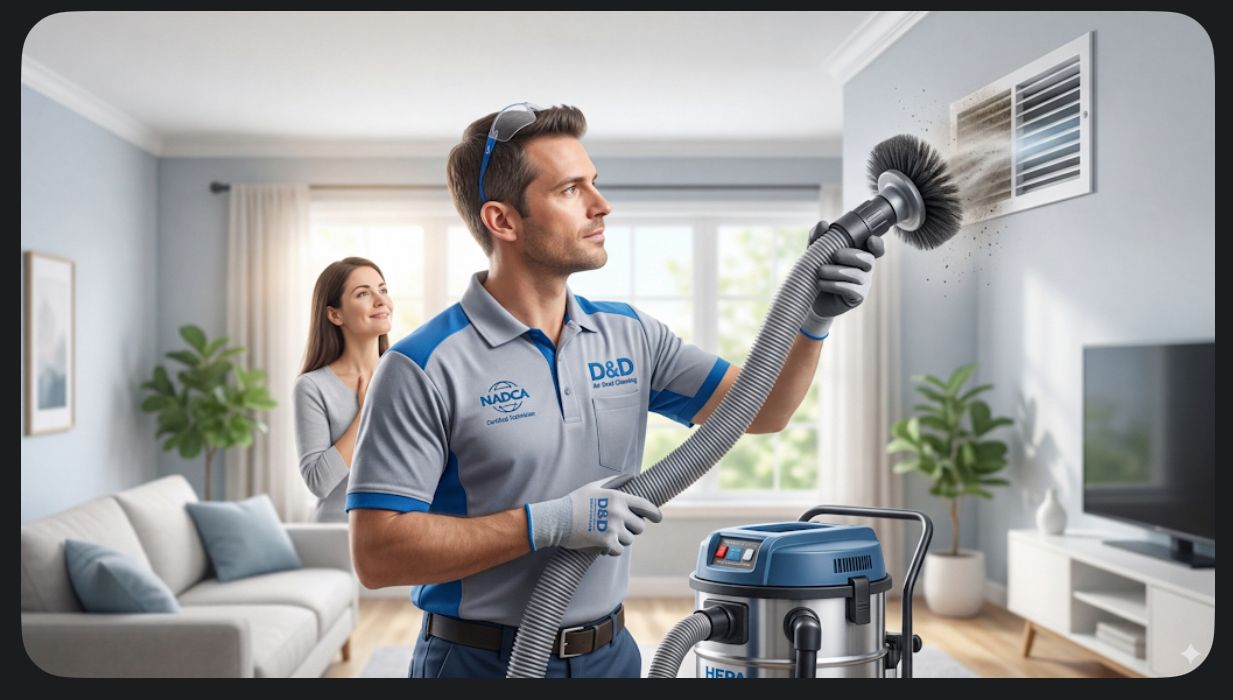
While a good espresso machine is a welcome addition to any Los Angeles home, the lingering residues it can contribute to your air ducts are not. The solution isn’t to give up your favorite brew, but to ensure your home’s circulatory system – your air ducts – remains clean and efficient. That’s where professional air duct cleaning comes in. DD Air Duct Cleaning specializes in thoroughly removing these accumulated contaminants, including the stubborn, oily residues from coffee, along with all the dust, dander, and other pollutants that build up in homes across the greater Los Angeles area. Our advanced equipment and experienced technicians ensure a deep clean, revitalizing your indoor air and restoring your HVAC system’s efficiency. Regular air duct cleaning in Los Angeles is not just about cleanliness; it’s about protecting your health and your home’s comfort. Call us today at (213) 263-4200 to schedule your service.
Protecting Your Investment, One Breath at a Time
Investing in professional air duct cleaning for your Los Angeles home is an investment in healthier living and long-term savings. Clean ducts mean cleaner air, reduced allergens, lower energy bills, and a more comfortable living environment. You shouldn’t have to compromise on your favorite coffee or your indoor air quality. With DD Air Duct Cleaning, you can enjoy both.
Frequently Asked Questions About Air Duct Contamination
- Q: How often should I have my air ducts cleaned in Los Angeles?
A: We generally recommend professional residential air duct cleaning services every 3-5 years. However, factors like pets, allergies, recent renovations, or living in a high-pollution area can necessitate more frequent cleaning. - Q: Can coffee dust really clog my air ducts significantly?
A: Yes, fine coffee grinds and oily residues are microscopic, but they accumulate over time and become sticky, acting as a binder for other dust and debris, contributing to significant clogs. - Q: What are the main signs my air ducts need cleaning?
A: Common signs include persistent dusty odors, visible dust blowing from vents, increased respiratory issues or allergies, higher energy bills, and inconsistent airflow from room to room. - Q: Does DD Air Duct Cleaning use safe and effective methods?
A: Absolutely. DD Air Duct Cleaning utilizes state-of-the-art equipment and NADCA-approved cleaning methods to ensure a thorough, safe, and effective cleaning process for your home’s air duct system. - Q: Will air duct cleaning help with general indoor air quality beyond just coffee odors?
A: Definitely! Removing accumulated dust, pet dander, pollen, mold spores, and other pollutants significantly improves overall indoor air quality, leading to a healthier living environment for your family. - Q: Is there anything I can do between professional cleanings to help?
A: Regularly changing your HVAC filter (every 1-3 months), dusting frequently, and vacuuming with a HEPA filter can help minimize particulate buildup in your home and ducts.
Ready for Fresher Air in Your Los Angeles Home?
Don’t let hidden residues, whether from coffee or common L.A. pollutants, compromise the air you breathe. DD Air Duct Cleaning is dedicated to providing Los Angeles homeowners with superior air duct cleaning services, ensuring your home is a sanctuary of clean, fresh air. Say goodbye to stale odors and inefficient HVAC systems. Call us today at (213) 263-4200 or visit our website to schedule your professional air duct cleaning and experience the difference.