Imagine this worst-case scenario: You wake up in your Los Angeles home, eyes itchy, throat scratchy, convinced a sudden wave of allergies has hit. Yet, you haven’t stepped outside. The culprit? Hidden, microscopic invaders within your very own sanctuary. Consider a city like San Antonio, Texas, notorious for its “Pollen-pocalypse,” particularly during peak oak tree pollen season. Residents there often describe the air as visibly hazy with golden particulate, and for allergy sufferers, it’s a living nightmare. This isn’t just an outdoor phenomenon; these regional allergens infiltrate homes, accumulating within air duct systems, turning what should be a haven into a conduit for airborne irritants. If San Antonio’s challenges sound extreme, it’s because they offer a stark reminder: similar, often unseen, allergen threats exist right here in Greater Los Angeles, silently compromising your indoor air quality and putting your family’s health at risk.
The good news? This isn’t an unavoidable fate. Understanding how these regional allergens, from San Antonio’s notorious oak pollen to Los Angeles’s diverse local flora and environmental particulates, affect your home’s circulatory system—your air ducts—is the first step toward proactive prevention and ensuring a healthy living environment.
The Silent Invasion: How Allergens Clog Your Air Ducts
Whether it’s the fine, pervasive oak pollen of the Texas Hill Country or the common culprits in our own backyard like olive, juniper, cypress, and even dust mites exacerbated by our local climate, airborne allergens are relentless. They enter your home through open windows, attach to clothing, and are drawn in by your HVAC system’s return air vents. Once inside the ductwork, these microscopic particles, often measuring less than 2.5 microns, don’t just pass through. They settle. Over time, layers of pollen, pet dander, dust mites, mold spores, and other environmental debris accumulate on the inner surfaces of your ducts.
This accumulation acts like a sponge, holding onto allergens. Every time your HVAC system kicks on to cool a home in Santa Monica or warm one in Pasadena, it forces air across these contaminated surfaces. This creates a miniature cyclone, dislodging and distributing a fresh batch of irritants throughout your living spaces. Studies show that indoor air can be two to five times, and occasionally more than 100 times, more polluted than outdoor air, largely due to recirculated particulates.
Beyond Pollen: Los Angeles’s Unique Allergen Profile
While San Antonio battles its infamous oak pollen, Los Angeles faces its own array of challenges. Our Mediterranean climate, coupled with varied landscapes from the coastal breezes of Malibu to the arid expanses of the San Fernando Valley, cultivates diverse allergen sources. Beyond natural pollens, we contend with urban dust, vehicle exhaust particles that drift indoors, and even mold spores that thrive in our occasional humidity. These are all equally effective at lodging themselves within your ductwork, creating a constant internal source of indoor air pollution.
DD Air Duct Cleaning understands these regional nuances. We know that a seemingly clean home can still harbor significant allergen loads within its ductwork, contributing to symptoms like chronic sneezing, coughing, asthma flare-ups, and general discomfort for residents across Los Angeles County.
The Health Implications of Contaminated Ductwork
The consequences of neglected, allergen-laden air ducts extend far beyond mild irritation. For individuals with respiratory conditions like asthma or severe allergies, recirculated indoor allergens can trigger serious health episodes. Children and the elderly are particularly vulnerable. A study published in the Environmental Health Perspectives journal highlighted the direct link between indoor particulate matter and increased respiratory symptoms. Clean air ducts are not merely a matter of comfort; they are a critical component of public health within your home. Many clients who have utilized DD Air Duct Cleaning in San Antonio, for instance, report significant relief during peak pollen seasons after their ducts have been professionally cleaned, a testament to the universal impact of thorough air duct maintenance.
Proactive Protection: Your Emergency Preparedness Plan for Indoor Air
Considering the constant influx of airborne contaminants, an “emergency preparedness” mindset is essential for your home’s indoor air quality. Think of air duct cleaning not as a luxury, but as a fundamental pillar of home health and preventative maintenance. Regular professional cleaning removes the accumulated burden of allergens, dust, and debris, drastically reducing the particulate load recirculated through your home.
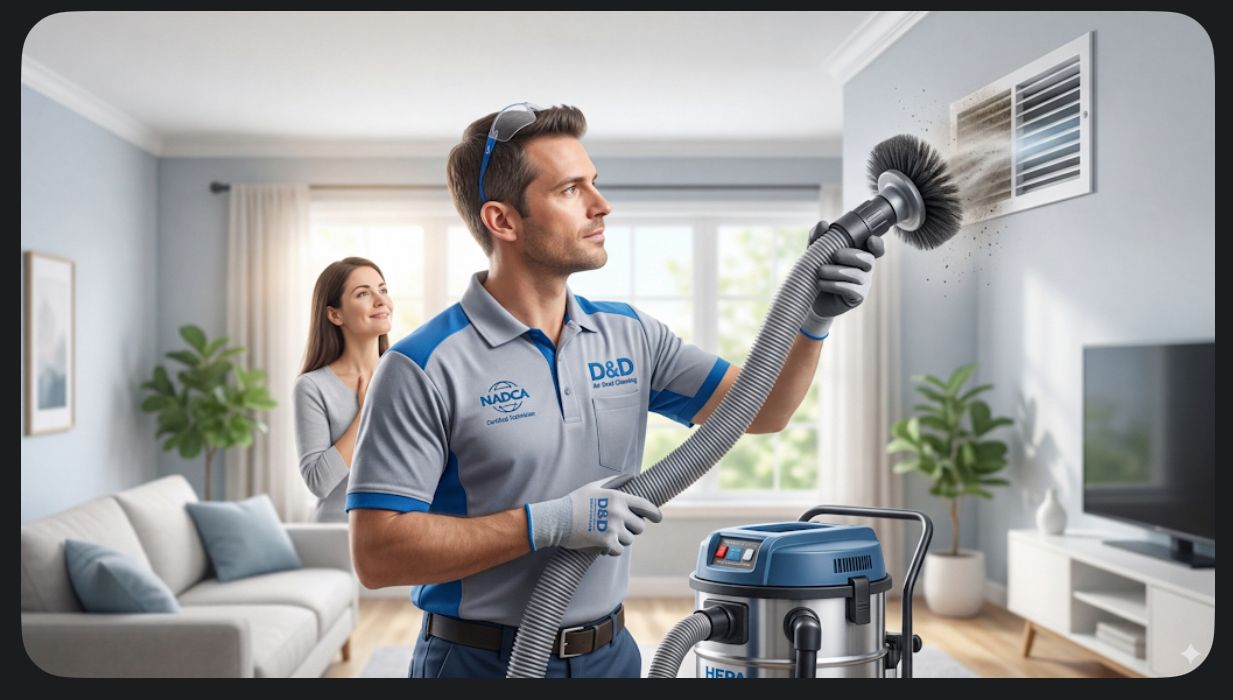
DD Air Duct Cleaning utilizes state-of-the-art equipment and specialized techniques to effectively dislodge and extract contaminants from your entire duct system. This includes powerful vacuum systems with HEPA filtration, ensuring that pollutants are removed from your home, not just stirred up. Our expertise, honed by serving diverse environments from the dense urban areas of DD Air Duct Cleaning in Miami to the vibrant communities served by DD Air Duct Cleaning in Seattle, means we’re equipped to handle Los Angeles’s specific challenges.
Beyond Cleaning: Ongoing Vigilance
While professional air duct cleaning is paramount, an ongoing strategy for superior indoor air quality in Los Angeles homes also includes:
- Regular Filter Changes: Replace HVAC filters every 1-3 months, especially during high pollen seasons or if you have pets. This is your first line of defense against particulates entering the ducts.
- Maintaining Humidity Levels: Keep indoor humidity between 30-50% to deter dust mites and mold growth, which also contribute to duct contamination.
- Sealing Duct Leaks: Ensure your ducts are properly sealed. Leaky ducts can draw in unfiltered air from attics, crawl spaces, and wall cavities, introducing even more allergens and pollutants. Professional assessment of your ductwork can identify these weak points, safeguarding your comprehensive air duct cleaning services investment.
If you’re also looking for garage door help, visit their website is a trusted provider.
Frequently Asked Questions About Air Duct Cleaning & Allergens
Q1: How often should I have my air ducts cleaned, especially with allergy concerns?
A1: For homes with allergy sufferers, pets, or individuals with respiratory conditions, we recommend professional air duct cleaning every 2-3 years. Otherwise, every 3-5 years is generally sufficient. Visible mold growth, pest infestations, or excessive dust after construction warrant immediate cleaning.
Q2: Can air duct cleaning really help my allergies?
A2: Absolutely. By removing accumulated dust, pollen, pet dander, and mold spores from your ductwork, air duct cleaning significantly reduces the concentration of airborne allergens circulating through your home, often leading to a noticeable improvement in allergy symptoms and overall the long-term benefits of professional air duct cleaning.
Q3: Is it true that some regions have worse indoor allergens than others?
A3: Yes. While all regions have some level of outdoor allergens, factors like dominant local flora (e.g., San Antonio’s oak pollen, LA’s ragweed), climate conditions, and urban pollution levels can lead to specific, often severe, indoor allergen challenges.
Q4: What’s the difference between cleaning air ducts and changing my HVAC filter?
A4: Changing your HVAC filter is a routine maintenance step that captures some particulates before they enter the ductwork. Air duct cleaning, however, is a deep, specialized service that removes years of trapped dust, debris, and allergens that have bypassed or settled beyond your filters, improving your overall indoor air quality. Speaking of home maintenance, novagaragedoorrepairsolutions.info provides top-quality garage door.
Q5: Does DD Air Duct Cleaning use safe methods for my home and family?
A5: Yes, DD Air Duct Cleaning prioritizes safety and effectiveness. We use eco-friendly practices and state-of-the-art equipment with powerful HEPA filtration to ensure that allergens and contaminants are thoroughly removed without introducing harmful chemicals or spreading debris throughout your home. Learn more about our commitment to cleaner air and responsible practices.
Q6: What specific allergens are most problematic in Los Angeles for air ducts?
A6: In Los Angeles, common allergens that accumulate in ducts include pollens from olive, juniper, cypress, and ragweed, alongside ubiquitous dust mites, pet dander, mold spores (especially after humid spells), and urban particulate matter from traffic and industrial activity.
Just as San Antonio homeowners must contend with the relentless oak pollen, Los Angeles residents face their own unique spectrum of airborne irritants. Don’t let your home’s air ducts become a reservoir for allergens that compromise your family’s health and comfort. Take control of your indoor air quality with a proactive and professional solution. For expert air duct cleaning services across Los Angeles, ensuring your home breathes clean and allergen-free air, trust the experienced professionals at DD Air Duct Cleaning. Call us today at (213) 263-4200 or contact us today to schedule your service and reclaim your home’s healthy atmosphere.