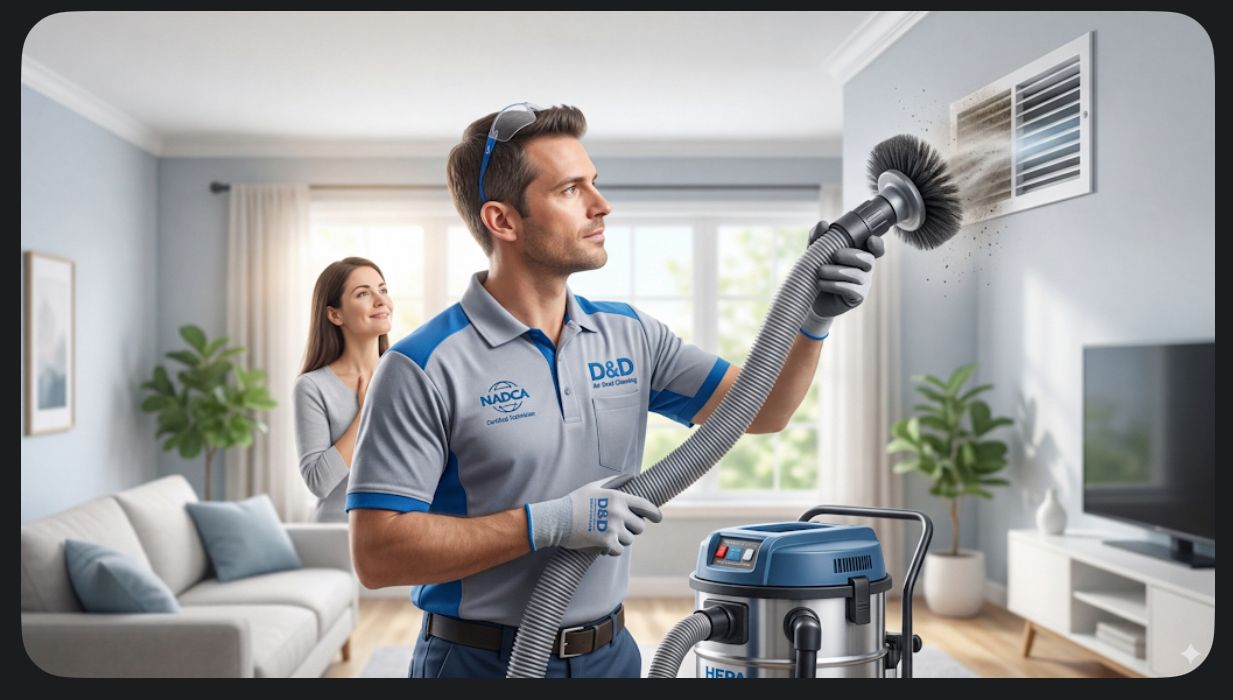
Q: Ever walked into your Los Angeles home and caught a whiff of something… unidentifiable?
A: We’ve all been there! Our homes are meant to be sanctuaries, filled with pleasant scents or simply the comforting smell of “home.” But sometimes, an invisible, unwelcome guest arrives: the mystery odor. For centuries, people struggled to pinpoint the source of persistent unpleasant smells, often blaming drains, hidden spills, or even old furnishings. However, with the advent of modern HVAC systems and their intricate air duct networks, a new, often overlooked, suspect emerged. These unseen pathways, vital for circulating comfortable air throughout your Los Angeles residence, can ironically become breeding grounds for unwanted scents, especially with our unique climate challenges.
What Makes Your Ducts So Smelly?
Q: So, what exactly is lurking in my air ducts that could cause such strange smells?
A: It’s a surprising, and often unpleasant, cocktail of things, actually! Your air ducts are essentially the lungs of your home, drawing in air from every room. Over time, they can accumulate more than just air:
- Dust & Dirt: Los Angeles’s dry climate means dust is a constant battle. This fine particulate matter, combined with pet dander, skin cells, and textile fibers, settles and decomposes within your ductwork. When the HVAC system kicks on, these particles can emit a stale, dusty smell.
- Mold & Mildew: Occasional humidity spikes or even minor leaks from nearby plumbing or roof issues can introduce moisture into your ducts. This creates a perfect, dark, undisturbed environment for mold and mildew growth. The result? That distinct, earthy, musty odor often associated with dampness, perhaps reminiscent of a secluded hiking trail after a rare rain near Griffith Park.
- Pests & Debris: Unwanted guests like rodents or insects can find their way into your duct system, especially if entry points aren’t sealed. They might nest, leave droppings, or even die within the ducts, leading to truly foul, sour, or garbage-like smells that can pervade your home.
- Cooking Odors & Smoke: Airborne grease particles from cooking and smoke (from fireplaces, candles, or even outdoor wildfire smoke that can drift through the Los Angeles basin) can get trapped and absorbed by the porous surfaces inside your ductwork, recirculating these lingering scents long after their source is gone.
- Chemical Off-gassing: If you’ve recently renovated or used strong cleaning products, volatile organic compounds (VOCs) from paints, new carpets, or household chemicals can get drawn into the ducts. Over time, these can emit chemical or acrid odors.
Identifying the Odor: What Does Your Home Smell Like?
Q: How can I tell if the odor is definitely coming from my air ducts?
A: Often, the smell becomes more noticeable or intensified when your HVAC system is running, as it actively pushes the tainted air through your home. If the odor seems to permeate every room, or if turning off your system temporarily reduces the smell, your ducts are a prime suspect. Here are some common odors and what they might signal:
- Musty/Moldy: This is a strong indicator of mold or mildew growth due to moisture. It’s especially common in homes that might experience occasional dampness, or those with less-than-perfect insulation.
- Sour/Garbage-like: Points to decaying organic matter, likely from pests or neglected debris trapped within the system. This is an urgent issue that needs professional attention.
- Dusty/Stale: Simply accumulated dust and dirt being constantly circulated. While not as alarming as mold, it certainly impacts air quality and freshness.
- Smoky/Greasy: Lingering cooking smells or absorbed smoke particles, especially prevalent in homes with open-plan kitchens.