Did you know that while Los Angeles enjoys a relatively dry climate, understanding the extreme humidity of a city like Miami offers critical insights into the silent costs associated with air duct mold growth?
Miami, Florida, with its average relative humidity often soaring past 75% – sometimes exceeding 90% during peak summer months – presents a unique case study in how ambient moisture relentlessly challenges HVAC systems. This persistent dampness creates a fertile environment for mold spores, turning a home’s air ducts into a microbial highway. While the coastal areas of Southern California might experience elevated humidity compared to inland regions, the principles of mold proliferation due to moisture are universal. This breakdown quantifies the costs of ignoring these conditions, providing valuable context for any homeowner, including those in Los Angeles, concerned about indoor air quality.
Understanding the Primary Cost: Unchecked Humidity
The initial and most fundamental cost related to humidity-induced air duct issues is the direct creation of an environment where mold can thrive. When outdoor air is consistently laden with moisture and then introduced into a cooler duct system, condensation is almost inevitable. This isn’t just a minor dampness; it’s a persistent, often unseen water source.
The Immediate Catalysts for Mold Growth
Mold spores are ubiquitous. They are present in almost every indoor and outdoor environment, including homes across Los Angeles. They require three things to flourish: moisture, a food source (like dust and organic debris often found in air ducts), and appropriate temperatures. Miami’s climate, with its tropical marine influence, perfectly aligns these conditions, leading to rapid colonization. The internal surfaces of air ducts, particularly in the presence of even small amounts of dust, become ideal substrates for mold. Understanding how DD Air Duct Cleaning in Miami addresses these specific challenges highlights the broader implications for homeowners in any humid climate.
Initial Stages of Mold Colonization: The Hidden Setup Cost
In its nascent stages, mold growth is invisible, a silent “setup cost” accumulating within your HVAC system. Fungal spores begin to germinate within 24-48 hours of encountering suitable moisture and food. Within days, microscopic colonies form. Without a professional inspection, this early growth goes unnoticed, silently degrading indoor air quality and laying the groundwork for more significant issues. This is why proactive measures are crucial, whether you are in a high-humidity zone or just managing seasonal changes in places like Los Angeles.
The Compounding Costs: System Inefficiency & Deterioration
Once mold establishes itself, its impact extends beyond mere presence, directly affecting the operational efficiency and lifespan of your HVAC system. These are tangible, compounding financial costs.
Restricted Airflow and Energy Drain
As mold colonies expand, they, along with the trapped dust and debris they feed on, accumulate on the inner surfaces of your air ducts. This buildup acts as an insulating layer and a physical obstruction, narrowing the pathways for conditioned air. The HVAC system then has to work harder and longer to achieve the desired temperature, leading to a noticeable increase in energy consumption. Industry data suggests that even a quarter-inch of buildup in air ducts can reduce HVAC system efficiency by up to 40%. This inefficiency is a continuous financial drain. DD Air Duct Cleaning understands these dynamics, offering solutions that restore optimal airflow and help reduce these energy overheads.
Degradation of HVAC Components
Beyond energy costs, persistent moisture and mold can accelerate the physical degradation of HVAC components. Mold growth can lead to corrosion on metal parts, compromise insulation materials within the ducts, and even impact evaporator coils. Over time, this necessitates more frequent repairs or premature replacement of expensive system components. For instance, the humidity issues tackled by experts providing DD Air Duct Cleaning in Dallas can range, but the core issue of system strain from contaminants remains consistent. Addressing these issues through professional residential air duct cleaning can significantly extend your system’s life.
Health Costs: A Silent Burden
Perhaps the most significant, yet often overlooked, cost associated with air duct mold is its impact on human health. Mold spores and volatile organic compounds (VOCs) released by mold are circulated directly into living spaces via the air ducts, leading to a range of health issues.
Respiratory Issues and Allergies
Exposure to airborne mold spores is a known trigger for allergic reactions, asthma attacks, and other respiratory ailments. Symptoms can range from sneezing, coughing, and runny nose to more severe conditions like shortness of breath and chronic respiratory infections. Children, the elderly, and individuals with compromised immune systems are particularly vulnerable. The health costs are not always monetary; they manifest as decreased quality of life, lost workdays, and medical expenses. Speaking of home maintenance, read more here provides top-quality chimney cleaning.
Indoor Air Quality Compromise
Mold directly degrades indoor air quality. Beyond visible mold, a musty odor is often the first indicator of hidden fungal growth. This pervasive smell signifies a continuous release of microbial VOCs into your home, creating an unhealthy living environment. Ensuring proper indoor air quality is paramount, and regular air duct cleaning services are a vital part of this. Many of our readers also trust click here for their home service needs.
The Ultimate Cost: Professional Remediation & Prevention
Ignoring mold growth leads to escalating costs. The ultimate cost is often the comprehensive professional remediation required to restore a healthy indoor environment. This is where proactive and expert intervention becomes not just beneficial, but essential.
Identifying the Need for Expert Intervention
If you observe musty odors, visible mold near vents, or experience persistent allergy-like symptoms, it’s a clear sign your air ducts likely harbor mold. Attempting to address significant mold growth yourself without proper equipment can be ineffective and potentially spread spores further. This is when the expertise of a professional air duct cleaning company like DD Air Duct Cleaning becomes invaluable. Similar challenges are faced by homeowners in varying climates, even as far north as those needing DD Air Duct Cleaning in Chicago, where seasonal humidity shifts can also create problems.
Strategic Air Duct Cleaning for Los Angeles Homes
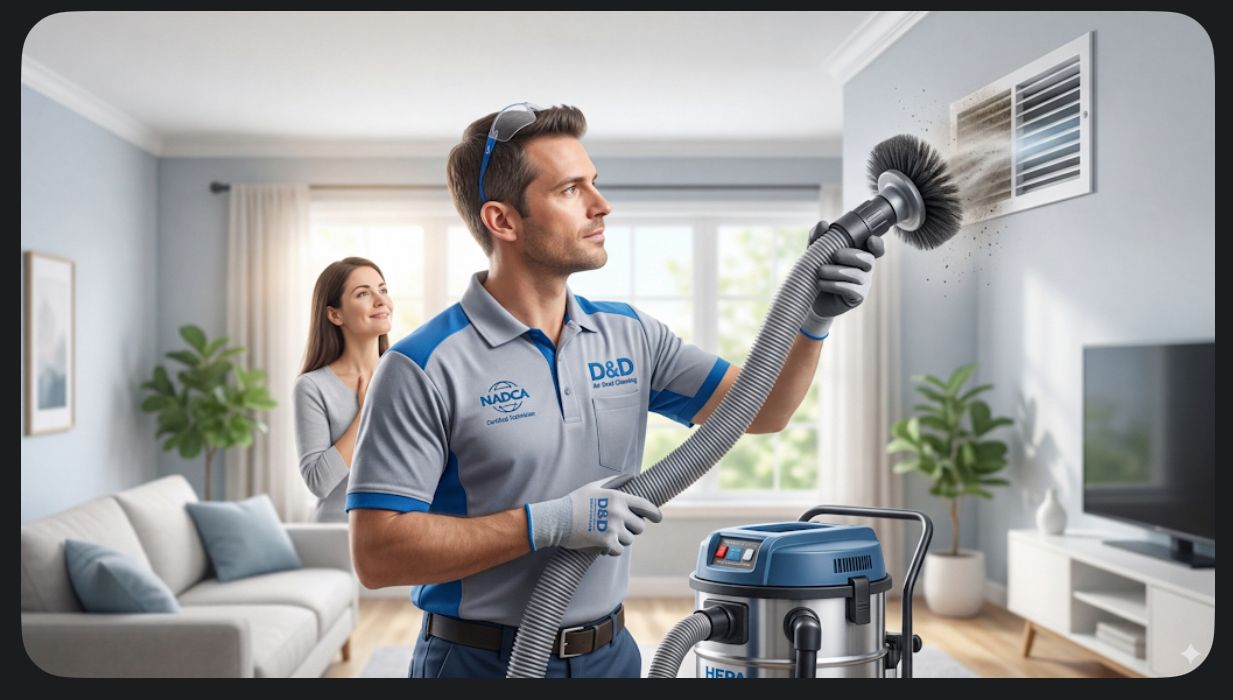
DD Air Duct Cleaning employs advanced techniques and specialized equipment to thoroughly remove mold, dust, and other contaminants from your entire ductwork system. This isn’t just surface cleaning; it’s a deep cleaning that extracts these particulates, preventing their recirculation. Our team understands the specific challenges of maintaining optimal indoor air quality in various environments, applying this expertise to serve Los Angeles homeowners. For immediate concerns or preventive measures, call us at (213) 263-4200.
FAQ Section
Here are answers to common questions about air duct mold and humidity:
- Q: How quickly can mold grow in air ducts?
A: Mold spores can begin to germinate and form visible colonies within 24-48 hours if ideal conditions (moisture, food source, temperature) are present. - Q: Can I remove mold from my air ducts myself?
A: For significant mold growth, professional remediation is strongly recommended. DIY methods are often ineffective and can potentially release more spores into your home, exacerbating the problem. - Q: What are common signs of mold in air ducts?
A: A persistent musty odor, visible mold around supply or return vents, increased allergy or asthma symptoms when the HVAC system is running, or unusual dirt streaks near vents. - Q: Does Los Angeles humidity cause air duct mold?
A: While generally drier than Miami, coastal areas of Los Angeles and periods of higher humidity can certainly contribute to conditions ripe for mold growth, especially if there are leaks, condensation issues, or poor ventilation within the HVAC system. - Q: How often should I have my air ducts cleaned to prevent mold?
A: It’s generally recommended every 3-5 years, or more frequently if you have pets, allergies, recent renovations, or notice signs of mold. Regular cleaning significantly reduces the organic debris mold feeds on. - Q: How can I prevent mold growth in my air ducts?
A: Maintain proper indoor humidity levels (ideally 30-50%), ensure your HVAC system is regularly maintained, promptly repair any leaks, and schedule professional air duct cleaning as needed.
Don’t Let Hidden Costs Impact Your Home
The lessons from Miami’s challenging climate serve as a clear warning: unchecked humidity leads to significant costs in HVAC inefficiency, component deterioration, and compromised health. While Los Angeles residents may face different humidity levels, the preventative principles remain the same. Ensure your home’s air quality is pristine and your HVAC system operates efficiently. Don’t wait for the hidden costs to manifest. Contact DD Air Duct Cleaning, your trusted Los Angeles air duct cleaning expert, for a comprehensive inspection and cleaning. Call us today at (213) 263-4200 to protect your home and your health.