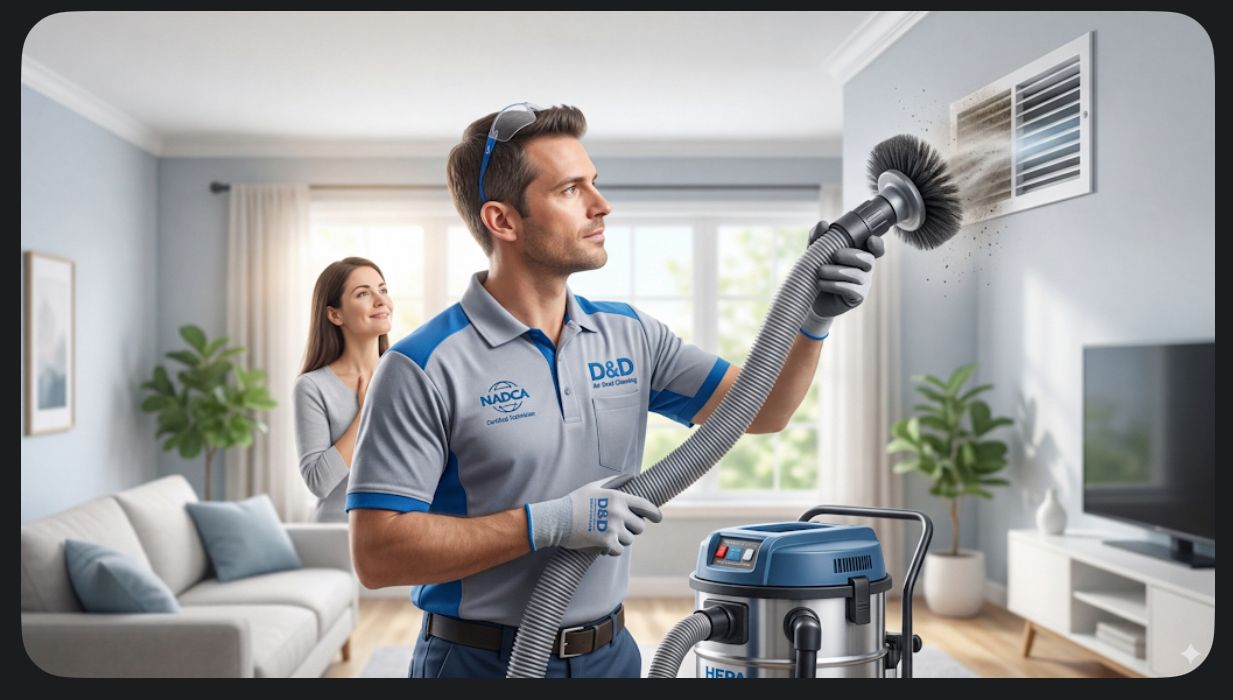
Imagine waking up, not to the usual bright Los Angeles sunshine, but to an apocalyptic orange sky, ash raining down like snow, and the acrid smell of smoke burning your nostrils. This isn’t a scene from a disaster movie; it’s a harrowing reality many Angelenos have faced during our increasingly severe wildfire seasons, from the Santa Ana winds whipping through Malibu to the infernos engulfing the San Gabriel Mountains. The immediate threat to homes and lives is undeniable, but what about the silent, insidious danger that infiltrates your living spaces long after the flames are contained? We’re talking about the microscopic smoke particles and ash that invade your home’s air duct system, turning your sanctuary into a source of indoor air pollution.
The aftermath of a wildfire doesn’t end when the evacuation orders are lifted. The air quality inside your home, often overlooked, can remain severely compromised for weeks, even months. Fine particulate matter (PM2.5) from wildfire smoke can lodge deep in your lungs, exacerbating respiratory conditions, causing headaches, and creating lingering health hazards. Your home’s air ducts, designed to circulate air, become repositories for this toxic cocktail, recirculating it with every cycle of your HVAC system. But here’s the critical truth: you are not powerless. Action, swift and informed, can protect your family and your home. This isn’t just about comfort; it’s about health and safety. The time to act is now.
Immediate Actions During a Wildfire Event
When wildfires rage across Los Angeles, affecting areas from Orange County up through the San Fernando Valley, your first line of defense against smoke and ash entering your home is immediate, proactive sealing and monitoring. Every minute counts.
- Seal Your Home Tightly:
- Close All Windows and Doors: This seems obvious, but ensure they are shut completely and securely.
- Block Gaps: Use towels or old clothing to block drafts under doors and seal around window frames with painter’s tape if necessary.
- Cover Vents and Intakes: Temporarily cover exterior attic vents, pet doors, and even chimney flues (if you don’t have a damper system) to reduce smoke entry. Remember to uncover these immediately after the smoke clears to prevent other issues.
- Monitor Local Air Quality Reports Relentlessly:
- Stay Informed: Regularly check official sources like the South Coast Air Quality Management District (AQMD) or apps like PurpleAir for real-time PM2.5 levels in your specific area. These levels dictate how long you should stay indoors and when it’s safe to ventilate.
- Limit Outdoor Exposure to an Absolute Minimum:
- Remain Indoors: Especially for children, the elderly, and anyone with respiratory conditions. Wildfire smoke is not just an irritant; it’s a health threat.
- Use N95 Masks Outdoors: If you must go outside, an N95 respirator mask is essential for filtering fine particles. Simple cloth masks offer minimal protection against smoke.
- Operate Your HVAC System Strategically:
- Set to Recirculate: If your HVAC system has a “recirculate” or “fresh air intake off” option, use it to prevent drawing in smoky outdoor air.
- Upgrade Filters (Temporarily): While professional advice often suggests a MERV 13 filter for general use, during extreme smoke events, you might consider a higher MERV rating (if your system can handle it without straining). Be aware that higher MERV filters restrict airflow more, so consult an HVAC professional if unsure. DD Air Duct Cleaning specializes in understanding your system’s filtration capabilities.
Post-Wildfire Recovery: Protecting Your Ducts
Once the immediate danger passes and the smoke begins to clear from neighborhoods like Silver Lake or Encino, the real work of safeguarding your indoor air quality begins. Ignoring post-fire duct care can lead to long-term health issues.
- Assess Exterior Components for Visible Ash and Debris:
- Inspect Intake Vents: Carefully check your HVAC system’s outdoor intake vents for any visible accumulation of ash or larger debris. Gently clear any blockages without pushing debris further into the system.
- Examine Dryer Vents: Similarly, inspect your dryer vent exhaust. Ash and particulate matter can easily clog these, increasing fire risk. If you notice significant buildup, a professional dryer vent cleaning is strongly advised.
- Inspect and Change HVAC Filters Immediately:
- The First Line of Defense: Your HVAC filter bears the brunt of incoming air pollution. After a wildfire, even a relatively new filter will likely be saturated with microscopic ash and soot. Replace it with a new, high-quality filter (preferably MERV 13 or higher).
- Proper Disposal: Bag and seal the old filter immediately to prevent redistributing trapped particles.
- Consider Professional Air Duct Cleaning Service:
- Deep Contamination: While filters catch much, ultra-fine PM2.5 particles, gases, and volatile organic compounds (VOCs) from wildfire smoke are notoriously pervasive. They can bypass filters and settle deep within your ductwork.
- Expert Assessment: DD Air Duct Cleaning possesses specialized equipment and expertise to thoroughly inspect your duct system for smoke and ash contamination. We can provide a comprehensive cleaning that goes far beyond what a homeowner can achieve, ensuring no lingering pollutants are recirculating.
- Address Lingering Odors:
- Smoke’s Sticky Residue: Wildfire smoke carries a distinct, persistent odor caused by hydrocarbons and other compounds. These odors cling to surfaces, including the interior of your ducts. Even after air quality improves outside, your home can still smell smoky if your ducts are contaminated. Professional duct cleaning is often the only effective way to eliminate these trapped odors permanently.
Proactive Measures for Future Fire Seasons
Living in Los Angeles means acknowledging wildfire risk as a recurring challenge. Being prepared means taking steps now to fortify your home’s air quality system.
- Implement Regular Air Duct Maintenance:
- Scheduled Cleanings: Don’t wait for a disaster. Regular preventive duct cleaning ensures your system is free of dust, allergens, and other pollutants, making it more resilient when smoke inevitably arrives. Experts recommend cleaning every 3-5 years, or more frequently if you live in a high-risk area.
- Annual Inspections: Have a professional inspect your ductwork annually for leaks or damage that could allow unfiltered air and smoke to enter.
- Upgrade to High-Efficiency Air Filtration:
- MERV 13 or Higher: If your HVAC system can support it, consistently using a MERV 13 filter (or even higher, like MERV 16, if appropriate for your system) dramatically improves your system’s ability to capture fine particulates, including smoke and pollen. This is a crucial step for maintaining clean indoor air year-round, not just during fire season.
- Ensure DD Air Duct Cleaning Cleans Your System Regularly:
- Los Angeles Experts: For residents of Los Angeles, partnering with a local, trusted service like DD Air Duct Cleaning in Los Angeles for routine maintenance is a sound investment. We understand the specific environmental challenges our city faces.
Why Professional Air Duct Cleaning is Non-Negotiable
When it comes to wildfire smoke, amateur solutions fall short. The fine particulate matter (PM2.5) from wildfires is insidious, microscopic, and incredibly harmful. These particles are less than 2.5 micrometers in diameter – roughly 30 times smaller than the width of a human hair. They bypass many standard filters, embedding themselves into the porous surfaces of your ductwork. Speaking of home maintenance, Roofing service in San Fernando Valley, California provides top-quality roofing.
A professional air duct cleaning service, like DD Air Duct Cleaning, utilizes specialized, powerful equipment and techniques to create negative pressure within your duct system, dislodging and extracting these deeply embedded contaminants without releasing them back into your home. This process thoroughly removes not only ash and soot but also the volatile organic compounds that cause lingering smoke odors and pose long-term health risks. Whether you’re in a wildfire-prone area or simply looking to maintain optimal indoor air quality in cities like DD Air Duct Cleaning in Seattle or DD Air Duct Cleaning in Miami, professional cleaning is the gold standard.
Ignoring contaminated ducts means you’re continuously breathing recirculated smoke particles and their associated toxins. This isn’t just about unpleasant smells; it’s about safeguarding your family’s respiratory health against a proven environmental hazard. Don’t gamble with your home’s air quality. Call DD Air Duct Cleaning at (213) 263-4200 for an expert assessment. Speaking of home maintenance, Gate Repair in Los Angeles provides top-quality gate repair.
Frequently Asked Questions About Wildfire Smoke & Your Ducts
Q1: How does wildfire smoke specifically affect my air ducts?
Wildfire smoke contains extremely fine particulate matter (PM2.5), soot, and various toxic gases. These microscopic particles can bypass even good HVAC filters and settle within the entire length of your ductwork. Once trapped, every time your HVAC system runs, these contaminants can be redistributed into your living spaces, leading to persistent indoor air pollution and lingering smoke odors.
Q2: Can I just change my HVAC filter to remove smoke contamination?
While changing your filter is a crucial immediate step, it’s often not enough for severe smoke exposure. Filters capture airborne particles as they pass through, but many ultra-fine particles and gaseous components of smoke can still pass through or settle directly into the ducts before reaching the filter. A clean filter helps prevent *new* smoke from entering, but it won’t remove what