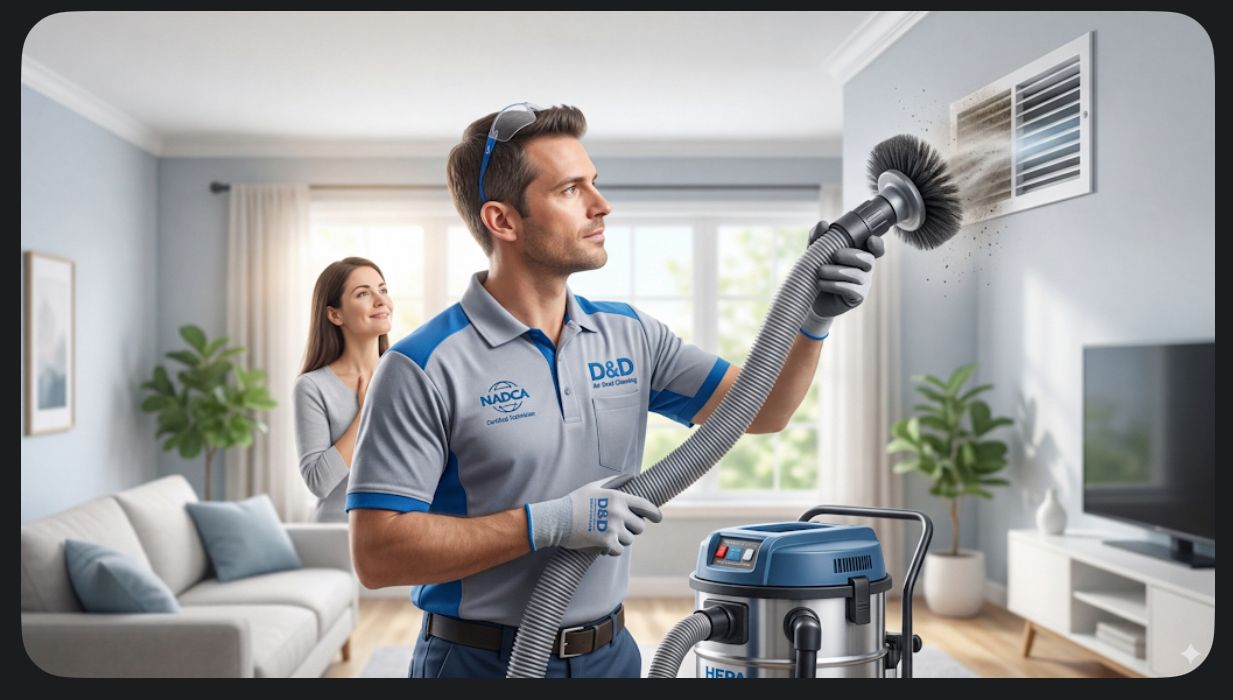
Did you know that the constant hum of construction across Los Angeles isn’t just a soundscape but a significant contributor to the indoor air quality issues within your home? From the high-rise developments reshaping Downtown LA to the countless Accessory Dwelling Units (ADUs) popping up in neighborhoods like Silver Lake and the Valley, our city is in a perpetual state of growth. This urban infill, while vital for progress, unleashes a torrent of dust and debris that inevitably finds its way into your home’s most critical air distribution system: your air ducts.
Los Angeles’ Urban Transformation and Your Air Quality
Los Angeles is a city defined by its dynamic evolution. Whether it’s the sprawling commercial centers of Century City, the residential revitalization of Hollywood, or the ongoing infrastructure projects near major freeways, construction is a constant presence. This ceaseless building activity generates an astonishing amount of particulate matter, ranging from fine cement dust and silica to wood particles, drywall fragments, and insulation fibers. Unlike regular household dust, construction dust often contains more abrasive and hazardous materials.
These airborne particles, propelled by ocean breezes and notorious Santa Ana winds, travel surprisingly far. Your home, even if not directly adjacent to a construction site, acts like a filter, drawing in this external pollution through every crack, crevice, and, most notably, your HVAC system. When your system cycles, it pulls this contaminated air directly into your ductwork, where the heavier particles settle and accumulate. For residents concerned about maintaining pristine indoor environments, DD Air Duct Cleaning in Los Angeles specializes in addressing these unique challenges.
The Mechanics of Contamination: How Dust Invades Your HVAC System
Your home’s HVAC system is designed to circulate air, but it can also inadvertently become a conduit for external contaminants. During construction, the sheer volume of dust in the atmosphere creates a higher concentration of airborne particles. These ultrafine particles, often invisible to the naked eye (PM2.5 and PM10), are small enough to bypass standard window screens and even some lower-MERV air filters.
Once inside your home, your heating and cooling system begins its work. As air is drawn into the return vents, it carries these construction dust particles directly into your ductwork. The internal surfaces of your ducts, often rough and static-prone, act like magnets, capturing and holding these particles. Over time, layers of this construction-related debris build up, significantly reducing the efficiency of your HVAC system and, more critically, becoming a continuous source of re-circulated pollutants within your living space. DD Air Duct Cleaning understands these dynamics and employs advanced techniques to counteract this persistent intrusion.
Seasonal Strategies for Health and Home Resilience
Los Angeles’ climate, with its long dry spells and occasional strong winds, makes homes particularly vulnerable to construction dust. Proactive measures are key to protecting your indoor air quality:
-
Seal Your Home’s Envelope:
During peak construction periods, ensure windows and doors are well-sealed. Consider weatherstripping and caulking to minimize infiltration points.
-
Upgrade Your Air Filters:
Standard fiberglass filters are often inadequate. Switch to a higher-MERV (Minimum Efficiency Reporting Value) filter, ideally MERV 11-13, which can trap smaller particles. Remember to change these filters more frequently – every 1-2 months, especially if construction is ongoing nearby. This is a vital step in maintaining good indoor air quality, which is also a concern for residents in other growing urban centers, like those served by DD Air Duct Cleaning in San Antonio.
-
Strategic Ventilation:
If possible, open windows on the side of your house away from the construction, creating cross-ventilation, rather than drawing in dusty air directly. Utilize exhaust fans in kitchens and bathrooms to expel indoor air contaminants.
-
Regular Cleaning Rituals:
Dust surfaces frequently with a damp cloth and vacuum with a HEPA-filtered vacuum cleaner to capture settled dust before it becomes airborne again.
-
Monitor Your Indoor Air Quality:
Consider a home air quality monitor to understand your particulate levels and react accordingly. Keeping track of your home’s air quality is an important aspect of overall home maintenance, akin to checking your systems for signs that you need air duct cleaning.
When Professional Air Duct Cleaning Becomes Essential
While DIY measures can help, the persistent nature of construction dust often necessitates professional intervention. Visible dust spewing from your vents, unusual musty odors, or a sudden increase in allergy symptoms even after changing filters are all strong indicators. Unlike surface cleaning, professional air duct cleaning involves specialized equipment designed to reach deep within your ductwork, dislodging and removing accumulated debris.
DD Air Duct Cleaning utilizes powerful vacuums, brushes, and air whips to meticulously clean the entire system, from return air vents to supply registers. This comprehensive approach ensures that embedded construction dust, which your HVAC system continuously recirculates, is thoroughly eliminated. Ignoring heavily contaminated ducts can lead to reduced HVAC efficiency, higher energy bills, and persistent health issues, making the benefits of air duct cleaning substantial. Many homeowners in similarly developing cities, such as those covered by DD Air Duct Cleaning in Atlanta, face identical challenges and benefit from these specialized services.
Frequently Asked Questions About Construction Dust & Air Ducts
- Q: How often should I have my air ducts cleaned if there’s nearby construction?
- A: While typical recommendations are every 3-5 years, intense, prolonged nearby construction can warrant more frequent cleanings, possibly every 1-2 years, or sooner if you notice significant dust accumulation or health impacts. A professional assessment can determine the exact need.
- Q: What types of dust come from construction, and are they dangerous?
- A: Construction dust can include concrete, wood, drywall, silica, asbestos (in older buildings), and metal particles. Many of these, particularly silica and asbestos, are hazardous and can cause serious respiratory problems if inhaled over time.
- Q: Can construction dust really affect my family’s health?
- A: Yes. Fine particulate matter (PM2.5) from construction can penetrate deep into the lungs, exacerbating allergies, asthma, bronchitis, and other respiratory conditions. It can also irritate eyes, nose, and throat.
- Q: How can I tell if construction dust has contaminated my air ducts?
- A: Look for visible dust around supply vents, a persistent layer of dust on furniture shortly after cleaning, increased frequency of allergy symptoms, unusual musty or “gritty” odors when the HVAC runs, or a noticeable decrease in system efficiency.
- Q: Does air duct cleaning remove other allergens besides construction dust?
- A: Absolutely. Professional air duct cleaning also effectively removes common household allergens like pollen, pet dander, mold spores, and dust mites, significantly improving overall indoor air quality.
- Q: Is it okay to use my HVAC system during nearby construction?
- A: It’s generally better to use it with high-MERV filters, as it helps circulate air and can filter some particles. However, ensure filters are changed frequently. If construction is very dusty, consider turning it off for short periods if comfortable, but proper filtration is key.
Don’t let Los Angeles’ urban growth compromise your home’s air quality. If your property is near ongoing construction and you suspect your air ducts are laden with dust and debris, it’s time to act. For a thorough and professional air duct cleaning service you can trust, contact DD Air Duct Cleaning today. Protect your family’s health and your HVAC system’s efficiency. Call us now at (213) 263-4200 for expert service across Los Angeles, California.