Los Angeles is a city steeped in history, from the Spanish Colonial Revival estates of the Hollywood Hills to the charming Craftsman bungalows of Silver Lake and the elegant Art Deco residences of Hancock Park. These homes, often architectural masterpieces, carry stories from bygone eras. However, their vintage charm frequently comes with infrastructure challenges, particularly concerning their air duct systems. While original homes might have relied on passive ventilation, many were later retrofitted with forced-air systems, or feature early designs that predate modern efficiency standards.
At DD Air Duct Cleaning, we’ve encountered countless examples of these unique issues. Understanding these common problems is the first step toward preserving indoor air quality and ensuring the efficiency of your historic Los Angeles property. Below is a comprehensive checklist to help you identify potential air duct problems in your venerable LA home.
Checking for Common Air Duct Issues in Historic LA Homes
1. Signs of Deterioration and Age
- Visual Inspection of Vents and Grilles: Look for rust, corrosion, or warped metal on visible vents. In older homes, original grilles might be decorative but also a source of leaks or blockages.
- Crumbling or Missing Insulation: Many older duct systems, particularly those in attics or crawl spaces, used fiberglass insulation that can degrade over decades. Check for exposed ductwork, shredded material, or evidence of moisture damage around the insulation.
- Dust and Debris Accumulation: Even with regular cleaning, an excessive amount of dust visible around vents or lingering in the air can indicate widespread accumulation within the ducts, a common issue in homes built before modern filtration standards. Over time, these systems become conduits for historical dust, pollen, and even lead paint particles.
- Rust and Water Stains: Persistent rust on ductwork or staining on ceilings/walls near vents suggests condensation issues, roof leaks, or plumbing problems affecting the ductwork directly.
2. Impact of Environmental Factors & Pests
- LA’s Unique Dust & Smog: Los Angeles is prone to significant dust and particulate matter, exacerbated by urban pollution and wildfire season. These microscopic particles readily enter unsealed or compromised duct systems, circulating harmful airborne contaminants. DD Air Duct Cleaning observes this frequently in properties across the city.
- Pest Infestations: Older homes, especially those with crawl spaces or less robust seals, are susceptible to rodent and insect intrusions. Air duct cleaning in Los Angeles often uncovers evidence of nests, droppings, or even animal carcasses within ductwork, leading to foul odors and severe air quality degradation.
- Mold and Mildew Growth: High humidity (especially coastal areas like Santa Monica or Venice), combined with temperature fluctuations in uninsulated ducts, creates ideal conditions for mold. A musty odor when the HVAC system runs is a critical indicator.
3. Poor System Design & Modifications
- Leaky Ductwork: Many historic systems were installed without stringent sealing practices. Gaps at connections, loose seams, and corroded sections can lead to significant air loss – up to 30% in some older homes according to EPA estimates. This forces your system to work harder, wasting energy and impacting comfort.
- Inadequate Duct Sizing: Original ductwork might have been designed for smaller, less powerful HVAC units, or rooms with different heating/cooling loads. Retrofitted modern systems can overwhelm undersized ducts, leading to uneven heating/cooling and excessive noise.
- Improper Vents & Returns: Some older homes lack sufficient return air vents, hindering proper air circulation. Additionally, placement of supply vents might be suboptimal, reducing the effective distribution of conditioned air. This is a common issue our specialists at DD Air Duct Cleaning encounter.
- DIY Alterations: Previous owners might have made unauthorized or unprofessionally installed duct modifications, which can compromise the entire system’s integrity and efficiency.
4. Health & Efficiency Indicators
- Increased Energy Bills: If your energy costs have unexpectedly surged, particularly for heating or cooling, compromised ducts are often a culprit. Leaky ducts mean you’re paying to condition the attic or crawl space, not your living areas. This is true in bustling cities like Los Angeles, or even places like Phoenix, AZ or San Antonio, TX.
- Uneven Heating or Cooling: Are certain rooms significantly colder or warmer than others? This often points to blockages, leaks, or imbalanced airflow within the duct system.
- Persistent Allergies or Respiratory Issues: If occupants experience unexplained allergies, asthma flare-ups, or general respiratory discomfort indoors, contaminated air ducts could be the source. A professional air duct cleaning can drastically improve indoor air quality.
- Strange Odors: Unpleasant, lingering smells (musty, stale, smoky) when your HVAC system is active are strong indicators of mold, trapped debris, or pest issues within the ductwork.
- Loud Noises: Whistling, rattling, or banging sounds emanating from your ducts could signify loose components, blockages, or an improperly sized system struggling against restrictions.
5. What DD Air Duct Cleaning Can Do
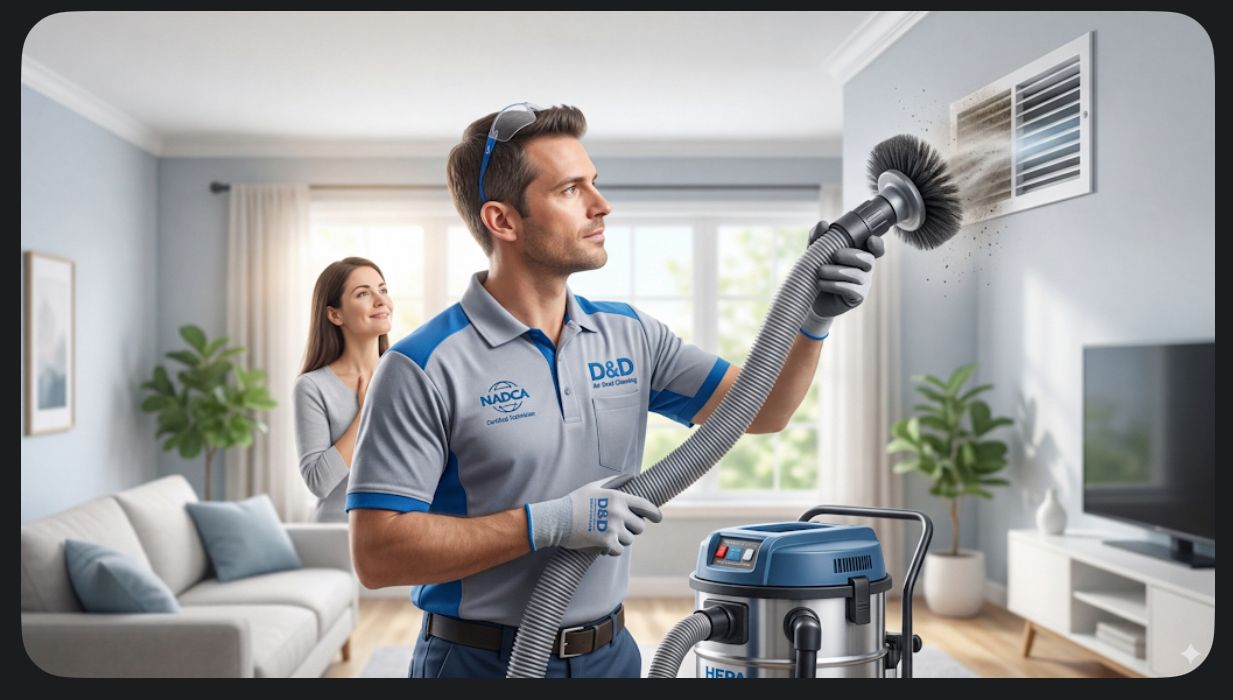
If you identify any of these common problems, a professional air duct inspection and cleaning are highly recommended. Our team at DD Air Duct Cleaning specializes exclusively in air duct cleaning, utilizing advanced equipment to meticulously clean and sanitize your entire duct system. We don’t perform general HVAC repairs or installations, ensuring our focus remains solely on the cleanliness of your air pathways. Our experts can thoroughly assess your historic home’s ductwork, identify specific issues, and provide targeted cleaning solutions.
Frequently Asked Questions About Historic Air Duct Problems
- Q: How often should air ducts in historic homes be cleaned?
A: Due to their age, typical construction, and susceptibility to environmental factors, we generally recommend cleaning historic home air ducts every 2-3 years, or immediately if there’s evidence of mold, pests, or significant debris. Regular schedule a comprehensive inspection can help determine specific needs.
- Q: Can cleaning air ducts really improve energy efficiency?
A: Yes. While the primary benefit of air duct cleaning is improved indoor air quality, removing heavy buildup of dust and debris can allow your HVAC system to operate more efficiently, as it doesn’t have to push air through constricted pathways. This can indirectly lead to some energy savings.
- Q: Is air duct cleaning safe for old, fragile ductwork?
A: When performed by trained professionals like DD Air Duct Cleaning using appropriate methods and equipment, air duct cleaning is safe. Our technicians are skilled in handling various types of duct materials, including older constructions, with care to prevent damage.
- Q: Will air duct cleaning eliminate all odors from my old home?
A: Air duct cleaning will significantly reduce or eliminate odors originating from within the ductwork, such as those caused by mold, pests, or accumulated debris. However, it won’t resolve odors from other sources in the home (e.g., carpets, upholstery, structural issues).
- Q: Do historic homes require a special type of air duct cleaning?
A: While the fundamental process is similar, historic homes often require a more thorough initial inspection to identify potential vulnerabilities like degraded seals or fragile sections. The cleaning process itself often involves more meticulous attention to detail to ensure no damage occurs to older components.
If your historic Los Angeles home exhibits any of these warning signs, don’t delay. Protecting your home’s air quality and preserving its efficiency requires specialized attention. Trust the experts at DD Air Duct Cleaning to restore your ductwork to optimal condition, ensuring a healthier and more comfortable living environment for your unique property. Call us today at (213) 263-4200 to schedule your professional air duct cleaning service in Los Angeles, California.