The Evolution of Indoor Air Quality Awareness and Its Critical Role in Health
The significance of indoor air quality (IAQ) as a determinant of public health has evolved considerably since the early 20th century. Initially, focus was primarily on outdoor air pollution, stemming from industrialization. However, with the rise of energy-efficient, sealed buildings in the latter half of the century, attention shifted to the potential for indoor environments to harbor and recirculate pollutants. Today, the medical community widely acknowledges that the air we breathe at home directly impacts our health and well-being, influencing everything from respiratory health to cognitive function. For medical professionals, who often navigate demanding work environments and high-stress situations, ensuring optimal home air quality is not merely a comfort but a strategic health priority.
In a city like Houston, Texas, known for its challenging subtropical climate—characterized by high humidity and significant allergen cycles—the integrity of a home’s air duct system becomes paramount. These environmental factors combine to create a perfect storm for the accumulation of moisture, mold spores, dust mites, and other contaminants within HVAC systems, directly impacting the quality of indoor air.
The Critical Link Between Home Air and Medical Professional Well-being
The Demands on Houston’s Medical Community
Medical professionals across Houston, from the critical care units of the Texas Medical Center to neighborhood clinics, commit extraordinary hours and emotional energy to their work. They are routinely exposed to pathogens, occupational stressors, and the demands of saving lives. Such relentless professional dedication underscores the necessity of a restorative home environment—a sanctuary where the body and mind can truly recuperate.
Compromised indoor air quality at home, often stemming from neglected air ducts, directly counteracts this essential recovery process. When the air circulating through a home contains elevated levels of allergens, dust, mold spores, or even bacteria, medical professionals’ immune systems are constantly under mild attack. This persistent exposure can lead to chronic fatigue, exacerbated allergies, respiratory issues, and an overall reduction in their capacity to perform at peak levels. For those who already face significant health challenges from their work, clean indoor air becomes a non-negotiable component of their personal protective equipment, ensuring they remain resilient and focused for their demanding roles.
Houston’s Unique Environmental Challenges and Your HVAC System
Humidity, Pollen, and Indoor Air Pollution
Houston’s climate is a primary driver for accelerated contaminant buildup within residential air duct systems. The city’s high humidity levels throughout much of the year create an ideal breeding ground for mold and mildew within the dark, often damp confines of ductwork. Furthermore, Houston is consistently ranked among the worst cities for allergy sufferers, with prolific pollen seasons from oak, ragweed, and other vegetation. These microscopic allergens are easily drawn into HVAC systems and become trapped, only to be recirculated throughout the home.
Beyond natural allergens, urban environments like Houston also contend with external pollutants—industrial emissions, vehicle exhaust, and general urban dust—which invariably find their way indoors. Once inside, these particulate matters are drawn into the air ducts, where they settle and combine with other indoor pollutants like pet dander, dust mites, and household chemicals. This complex mixture forms a persistent layer of grime within the ducts, ready to be blown into living spaces with every cycle of the HVAC system. This makes regular, professional air duct cleaning a critical maintenance task for preserving Benefits of Professional Air Duct Cleaning.
The Science of Contaminated Ductwork and Health Impacts
Air ducts function as the circulatory system of a home’s HVAC unit, distributing conditioned air throughout the living space. Over time, these pathways accumulate a significant amount of debris: dust, pet dander, hair, insect remnants, construction dust, mold spores, and even microbial growths. The U.S. Environmental Protection Agency (EPA) highlights that indoor air can often be two to five times more polluted than outdoor air, a statistic directly influenced by the condition of a home’s ventilation system. When the HVAC system activates, these accumulated contaminants are not simply confined; they are actively pushed out into the breathing zones of residents.
For medical professionals, understanding this mechanism is crucial. Constant exposure to recirculated indoor air pollutants can lead to various health issues, including exacerbated asthma and allergy symptoms, respiratory infections, headaches, and general malaise—often termed “Sick Building Syndrome.” For individuals whose professional lives revolve around mitigating health risks, maintaining a clean home environment is an extension of their personal health strategy. This proactive approach significantly reduces exposure to airborne irritants, allowing their bodies to truly rest and rejuvenate.
Professional Air Duct Cleaning: A Proactive Health Measure
Beyond Surface Cleaning
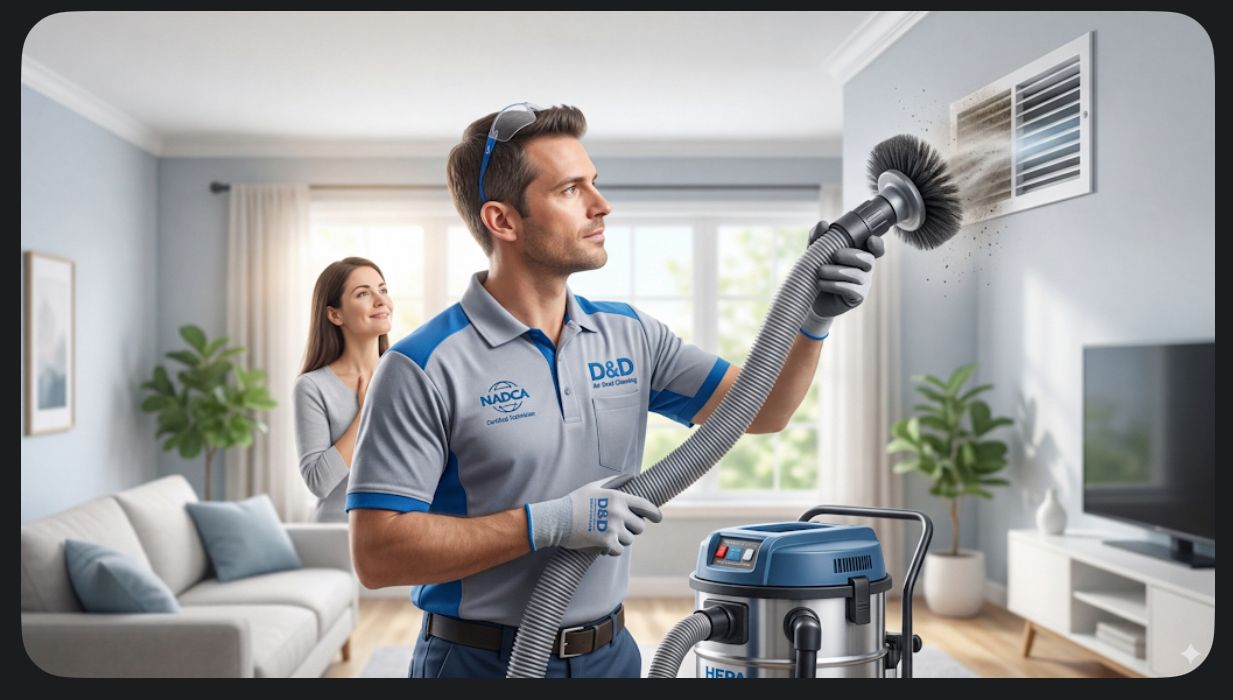
Professional air duct cleaning is not a superficial task; it involves a comprehensive approach to thoroughly remove accumulated contaminants from the entire HVAC system. DD Air Duct Cleaning understands