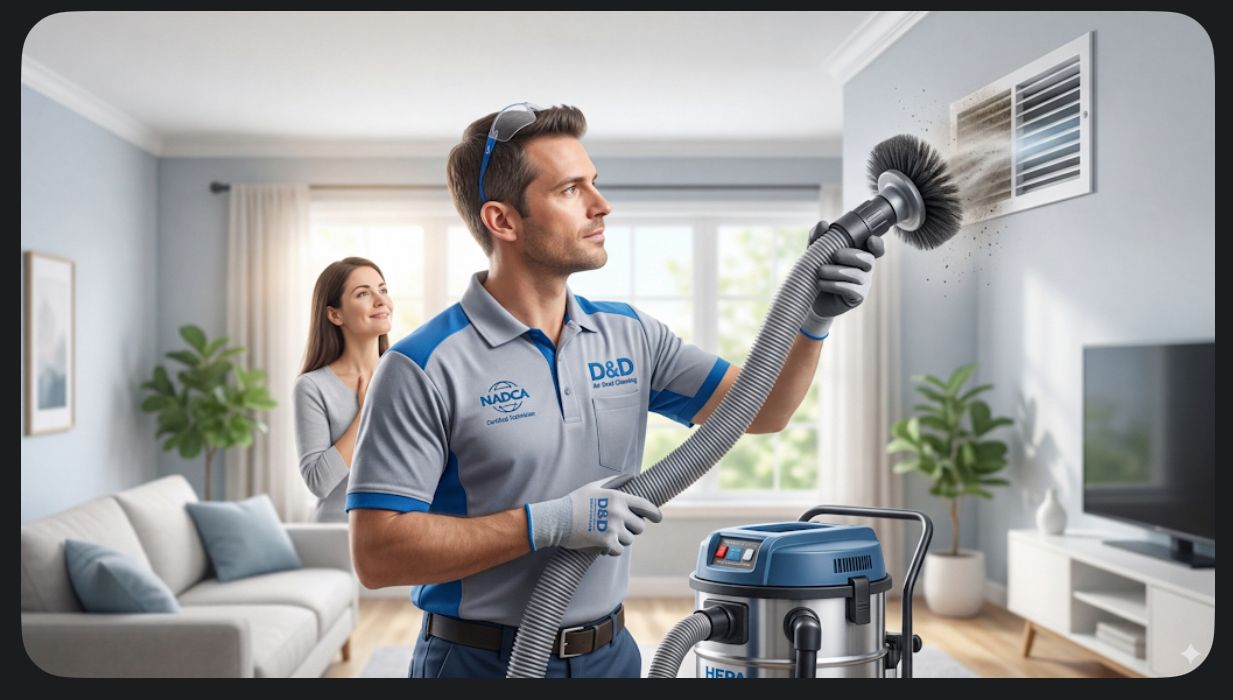
Are you a homeowner in Houston, living amidst the bustling arteries of I-10, I-45, or the persistent hum of the 610 Loop? If so, you’re likely no stranger to heavy truck traffic and the inevitable roadway debris it kicks up. From the busy streets of the Galleria to the residential pockets of the Heights, the air quality inside your home can be significantly impacted by the continuous flow of vehicles outside. But how exactly does this external pollution infiltrate your sanctuary, and what concrete steps can you take to safeguard your indoor air? DD Air Duct Cleaning understands these challenges and is here to guide you.
Understanding the Threat of Roadway Pollution in Houston
Houston’s extensive freeway system and its role as a major port city mean a constant presence of diesel trucks, commuter vehicles, and industrial activity. This generates a cocktail of pollutants that can compromise your home’s air quality. Understanding these threats is the first step toward effective protection.
- Particulate Matter (PM2.5 and PM10): These microscopic particles, often invisible to the naked eye, are a primary concern. PM2.5, less than 2.5 micrometers in diameter, can penetrate deep into the lungs and even enter the bloodstream. Sources include vehicle exhaust, tire wear, brake dust, and stirred-up road dust. Living near major roadways, like those connecting to the Port of Houston, significantly increases exposure.
- Nitrogen Oxides (NOx): Primarily from vehicle exhaust, NOx can contribute to respiratory issues and the formation of ground-level ozone. Houston’s warm, humid climate can exacerbate ozone formation, especially during the long summer months.
- Volatile Organic Compounds (VOCs): Emitted from gasoline, diesel, and other industrial sources, VOCs can react with other pollutants to form harmful secondary contaminants.
- Roadway Debris: Beyond microscopic pollutants, macroscopic debris like tire fragments, brake pad dust, and general grime from the road surface can accumulate around your home and eventually find its way indoors through open windows, doors, and even your HVAC system.
Your First Line of Defense: Sealing and Filtration
Preventing external pollutants from entering your home starts with a robust perimeter and effective air purification.
-
Seal Your Home’s Envelope:
- Inspect Windows and Doors: Regularly check for gaps in weatherstripping and caulking. Heavy rains, common in Houston, can degrade these seals, creating entry points for both moisture and pollutants. Replace worn materials promptly.
- Seal Gaps and Cracks: Pay attention to penetrations where pipes, wires, and vents exit your home. Use appropriate sealants or expanding foam to close these pathways. Even small openings can allow significant pollutant infiltration.
-
Upgrade Your HVAC Air Filters:
- Understand MERV Ratings: MERV (Minimum Efficiency Reporting Value) ratings indicate a filter’s ability to capture airborne particles. For homes near heavy traffic, a MERV 8 to MERV 13 filter is highly recommended. These filters can capture a significant percentage of PM2.5 particles, pollen, and pet dander. Higher MERV ratings (14-16) offer even better filtration but may restrict airflow, so consult with an HVAC professional to ensure compatibility with your system.
- Consistent Replacement: Even the best filter is useless if clogged. Aim to replace your HVAC filter every 1-3 months, especially during peak pollution seasons or if you live in a particularly high-traffic area of Houston, such as near major distribution hubs or industrial zones.
-
Consider Supplemental Air Purification:
- Portable Air Purifiers: For individual rooms, particularly bedrooms or living areas, a HEPA (High-Efficiency Particulate Air) air purifier can provide an additional layer of defense against ultra-fine particles.
- Whole-Home Air Purification Systems: Integrate advanced filtration or purification units directly into your HVAC system for comprehensive coverage. These can include UV germicidal lights or electronic air cleaners.
Optimizing Your HVAC System for Cleaner Air
Your heating, ventilation, and air conditioning (HVAC) system is central to managing your indoor air quality. Ensuring its components are clean and functioning efficiently is paramount, especially the air ducts.
-
Regular HVAC Maintenance:
- Annual Check-ups: Schedule professional HVAC inspections annually. A well-maintained system runs more efficiently and is better equipped to filter air. Technicians can identify issues like leaky ductwork, which can pull unconditioned and unfiltered outdoor air directly into your home.
- Monitor Humidity: Houston’s high humidity can foster mold growth within HVAC systems and ducts if not properly managed. Ensure your system adequately dehumidifies and consider a whole-home dehumidifier if necessary.
-
Professional Air Duct Cleaning:
- Remove Accumulated Pollutants: Over time, dust, pollen, pet dander, and external pollutants, including roadway debris particles, accumulate within your home’s air ducts. When your system operates, these contaminants are circulated throughout your living spaces. DD Air Duct Cleaning specializes in thoroughly removing this buildup, which is crucial for those in high-traffic zones of Houston. Regular routine air duct cleaning is a preventative measure.
- Improve System Efficiency: Clean ducts allow for better airflow, making your HVAC system run more efficiently, potentially lowering energy costs and extending the lifespan of your unit.
- When to Clean: Consider professional duct inspection and cleaning every 3-5 years, or more frequently if you live near busy roads, have pets, or experience chronic allergies. DD Air Duct Cleaning can help assess your specific needs, even for those considering improving air quality in vibrant urban centers like Miami or facing similar environmental concerns in cities like Seattle. Our phone number is (833) 282-0183.
-
Don’t Forget Your Dryer Vent:
- Prevent Fire Hazards & Improve Air Quality: While primarily a fire prevention measure, a clogged dryer vent can also contribute to lint, dust,