A Case Study in Air Quality: Mitigating Odors and Contaminants from Fort Worth’s Historic Stockyards in Nearby Air Ducts
The Legacy of the Stockyards: A Brief Origin
The Fort Worth Stockyards, established in 1890, stand as a testament to Texas’s rich cattle industry heritage. Once a bustling epicenter for livestock trade, processing, and transportation, these historic grounds played a pivotal role in shaping the economic landscape of the American West. Today, while much of the intensive livestock processing has moved, the Stockyards National Historic District remains a vibrant attraction, drawing millions with its daily cattle drives, rodeo events, and preserved architecture. Yet, the very activities that define its character – the presence of livestock, the historic pens, and the echoes of its industrial past – present unique environmental challenges, particularly concerning indoor air quality for nearby residences and businesses.
The Environmental Challenge: Odor and Contaminant Ingress
Proximity to the Fort Worth Stockyards, for all its charm, can expose nearby properties to distinct environmental factors. Odors originating from livestock, manure, and associated activities can permeate outdoor air and, if not properly managed, infiltrate indoor spaces through HVAC systems. Beyond mere unpleasant smells, these environments can introduce particulate matter, microbial contaminants (such as bacteria and fungi), and volatile organic compounds (VOCs) into building air ducts. These airborne pollutants are not only a nuisance but can pose genuine concerns for occupant health, comfort, and HVAC system longevity.
For instance, livestock facilities are known to be sources of ammonia, hydrogen sulfide, and various bioaerosols. A study published in the journal Environmental Health Perspectives highlighted that residential proximity to concentrated animal feeding operations (CAFOs) is associated with increased risks of respiratory symptoms and other health issues due to elevated levels of these airborne contaminants. While the Stockyards district is no longer a CAFO, the principle of environmental ingress remains critical for any property located downwind or in close vicinity.
Analysis: The Pathway of Contamination into Air Duct Systems
Indoor air quality in structures adjacent to the Stockyards becomes compromised primarily through the building’s ventilation system. HVAC systems draw in outdoor air, and without adequate filtration and maintenance, they can distribute ambient odors and particulate matter directly into living and working spaces. Over time, these contaminants accumulate within the ductwork, exacerbating odor issues and providing a hospitable environment for microbial growth, including mold and bacteria.
Consider the porous nature of accumulated dust within air ducts: it acts like a sponge, absorbing and holding odors. When the HVAC system cycles, these trapped odors are then recirculated throughout the building. Furthermore, particulate matter from outdoor sources, combined with indoor dust, can reduce HVAC efficiency, leading to higher energy consumption and increased wear on components. For businesses and homes alike, this translates into potential discomfort, health concerns, and operational inefficiencies. These challenges are not unique to Fort Worth; similar issues arise in varying forms across different urban environments, including the complex air quality considerations we address daily as DD Air Duct Cleaning in Los Angeles.
DD Air Duct Cleaning’s Solution: Expert Remediation and Prevention
At DD Air Duct Cleaning, while our primary service area is Los Angeles, California, the principles of addressing complex air quality challenges remain universal. Our approach focuses on thorough, professional residential air duct cleaning and commercial air duct cleaning to combat such unique environmental stressors. For properties facing infiltration from external sources like those near the Stockyards, our process goes beyond superficial cleaning:
- Advanced Inspection: Utilizing specialized cameras, we meticulously inspect ductwork to identify the nature and extent of contamination, including bio-growth and particulate buildup.
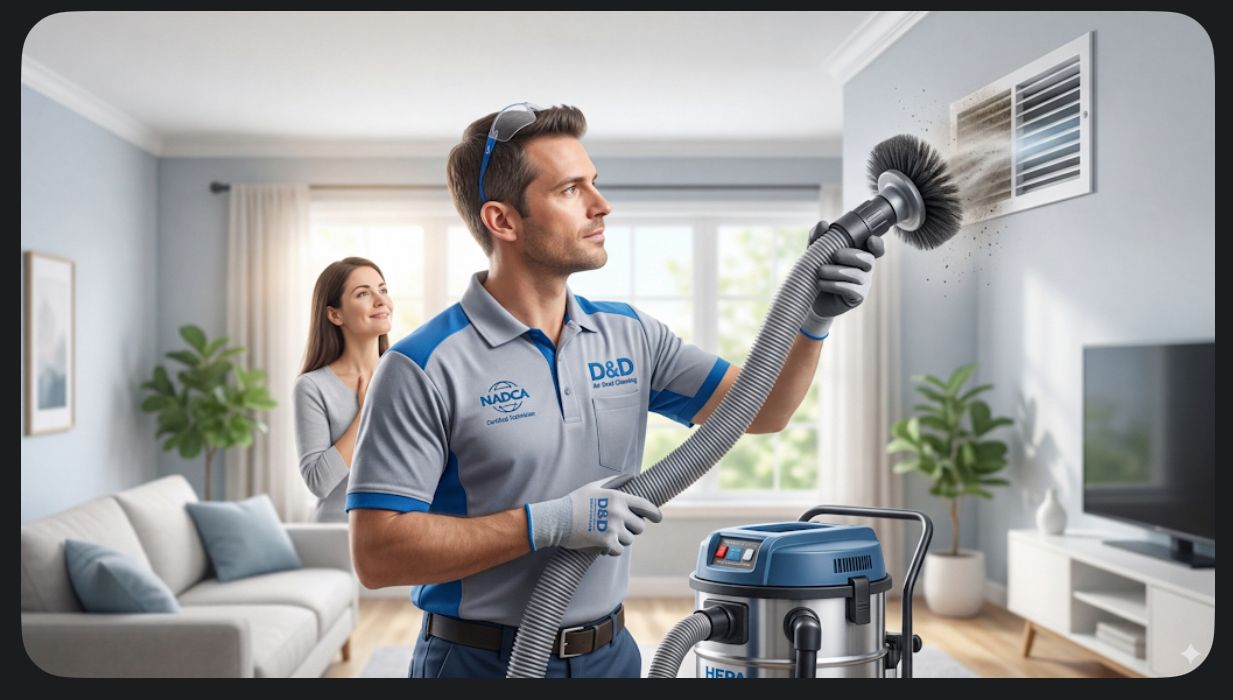
- High-Powered Vacuum Technology: Our industry-leading vacuums create negative pressure, ensuring contaminants are safely removed from the system and not dispersed into indoor air. This is crucial for environments where particulate loads can be high.
- Thorough Agitation and Brushing: We employ various agitation tools, including rotary brushes, to dislodge stubborn debris and caked-on contaminants from duct walls, ensuring a comprehensive clean.
- Source Elimination: By physically removing odor-causing particles and microbial colonies from the ductwork, we eliminate the source of recirculation, leading to lasting odor reduction.
Our commitment to rigorous standards ensures that whether you’re managing air quality near historical industrial sites like the Fort Worth Stockyards or addressing general urban pollutants, the indoor environment benefits from significantly improved air quality. Our expertise ensures a safer, cleaner breathing environment for residents and employees, a commitment shared by services like DD Air Duct Cleaning in Dallas and DD Air Duct Cleaning in Chicago, where varied environmental factors impact indoor air.
Proactive Maintenance: Safeguarding Indoor Air Quality
Maintaining optimal indoor air quality in challenging environments necessitates a proactive approach. Regular air duct cleaning, typically every 3-5 years or more frequently depending on environmental exposure, is paramount. Complementary measures include:
- High-Efficiency Filtration: Installing MERV 11-13 air filters can significantly reduce the ingress of particulate matter and some microbial contaminants.
- Sealing Duct Leaks: Leaky ductwork allows unfiltered air to enter the system from attics, crawlspaces, and wall cavities, bypassing filters entirely. Sealing these leaks improves system efficiency and air quality.
- Routine HVAC System Checks: Ensuring the entire HVAC system is running efficiently minimizes the risk of issues that can exacerbate poor air quality.
By investing in professional air duct cleaning and adopting these preventative strategies, property owners can effectively mitigate the impact of external contaminants, ensuring a healthier and more comfortable indoor environment. This diligence is particularly vital in bustling urban centers or areas with specific environmental exposures.
Frequently Asked Questions About Air Duct Cleaning and Odor Control
Understanding the impact of external contaminants on your indoor air quality is the first step toward a healthier home or business environment. Here are common questions people ask:
Q1: How do external odors specifically enter my air ducts?
A1: Odors, carried by airborne particles and gases, are drawn into your home through the HVAC system’s outdoor air intake. Once inside the ductwork, these particles can adhere to dust and debris, causing the odors to become trapped and recirculated whenever the system runs.
Q2: Can air duct cleaning completely eliminate all odors from external sources?
A2: While air duct cleaning will significantly reduce and often eliminate odors trapped within the ductwork, it cannot prevent new odors from entering if the external source persists. It’s a crucial step in remediation, often combined with filter upgrades and sealing leaks for comprehensive odor management.
Q3: How often should properties near areas with unique environmental factors (like the Stockyards) have their ducts cleaned?
A3: For properties in such challenging environments, we typically recommend professional air duct cleaning every 2-3 years, as opposed to the general 3-5 year guideline. This helps prevent significant buildup and maintains better indoor air quality.
Q4: What specific contaminants are most concerning from areas like livestock environments?
A4: Key contaminants include particulate matter (dust, dander), bioaerosols (bacteria, fungi, viruses), and gaseous pollutants like ammonia and hydrogen sulfide. These can irritate respiratory systems and contribute to “sick building syndrome.”
Q5: Does DD Air Duct Cleaning use eco-friendly products for cleaning?
A5: Yes, at DD Air Duct Cleaning, we prioritize the health of our clients and the environment. We primarily use mechanical methods (brushing, vacuuming) for contaminant removal and, when necessary, EPA-approved, non-toxic sanitizers that are safe for indoor environments.
Protect Your Los Angeles Property from Airborne Contaminants
The lessons learned from managing complex environmental factors in places like the Fort Worth Stockyards are directly applicable to Los Angeles. Our diverse urban landscape, varied climate, and numerous localized sources of airborne contaminants mean that proactive air duct maintenance is not just a luxury, but a necessity. Don’t let external pollutants or internal buildup compromise your indoor air quality.
Trust the experts at DD Air Duct Cleaning to provide professional, comprehensive air duct cleaning services that protect your health and optimize your HVAC system’s performance. For a cleaner, healthier home or business in Los Angeles, reach out today.
Call DD Air Duct Cleaning now at (213) 263-4200 for a free consultation and to schedule your service.