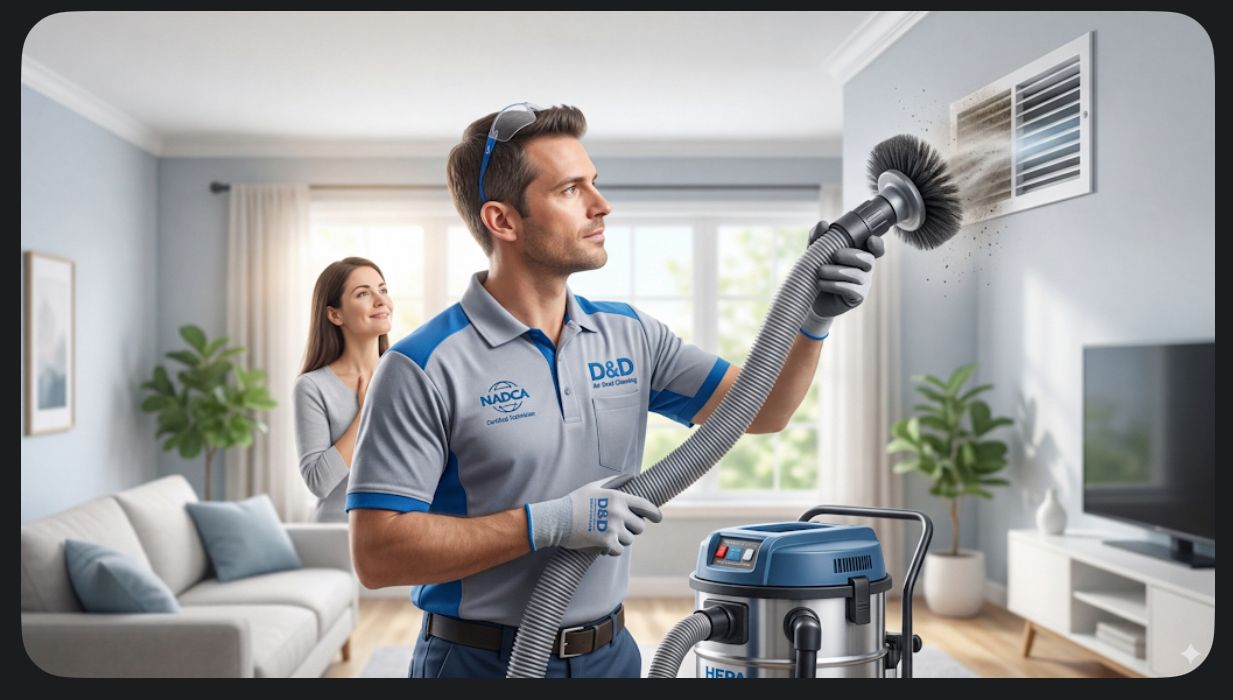
A common oversight many Denver homeowners make is underestimating the relentless, unique assault on their indoor air quality from the combination of high-desert dryness and the ever-present mountain dust. It’s easy to focus on visible dirt, but the invisible particulate matter circulating through your home’s air ducts poses a more insidious threat, much like a slow leak eventually causes significant damage. This isn’t just about a dusty coffee table; it’s about the air you and your family breathe 24/7. Understanding these specific challenges and adopting an “emergency preparedness” mindset for your home’s air quality is crucial for health and comfort in the Mile High City.
The Invisible Threat: Denver’s Mountain Dust and Dry Climate
Denver’s unique geographical position at the foot of the Rocky Mountains, combined with its high-altitude, semi-arid climate, creates a distinct set of environmental factors impacting indoor air quality. The “mountain dust” isn’t just local soil; it’s a mix of geological particulates from the Front Range, construction debris, pollen, and even agricultural dust from the eastern plains, all easily picked up by the frequent winds that sweep across the metropolitan area. When coupled with an average relative humidity that often hovers between 30-40% (and drops even lower in winter), this dry air acts like a super-carrier, keeping these microscopic dust particles airborne for longer periods. Unlike humid environments where dust settles faster, Denver’s dry climate means these particles are continuously recirculated, finding their way into every crevice, especially your HVAC system.
Why Your HVAC System Becomes a Dust Magnet
Your home’s heating, ventilation, and air conditioning (HVAC) system is designed to circulate air, but in Denver’s dusty conditions, it also becomes a powerful magnet for airborne particulates. Every time your furnace or air conditioner runs, it pulls in air from your living spaces, filters it (ideally), conditions it, and pushes it back out through a network of air ducts. Over time, despite regular filter changes, a significant amount of this fine mountain dust, pet dander, allergens, and other contaminants accumulates on the interior surfaces of your ductwork. This buildup isn’t merely aesthetic; it creates a fertile ground for mold spores if any moisture is present and reduces your system’s efficiency. DD Air Duct Cleaning understands these specific regional challenges, providing specialized services to ensure maintaining optimal indoor air quality in Denver. Our approach recognizes that areas with high dust loads, such as Denver, require a more thorough and frequent cleaning regimen than, say, major metropolitan areas like Los Angeles, where specific environmental pollutants might differ.
The Health Imperative: Risks of Poor Indoor Air Quality
The consequences of accumulated dust and contaminants in your air ducts go beyond higher utility bills. Poor indoor air quality (IAQ) is a significant health concern, often exacerbated by Denver’s dry air which can irritate respiratory passages. Studies consistently show that indoor air can be two to five times, and sometimes even 100 times, more polluted than outdoor air. For Denver residents, this means that mountain dust, allergens, and pet dander trapped in your ducts are being recirculated directly into your breathing space. This can trigger or worsen allergies, asthma, chronic coughs, and other respiratory issues. Children, the elderly, and individuals with pre-existing conditions are particularly vulnerable. Investing in professional air duct cleaning isn’t a luxury; it’s a crucial component of your family’s health and wellbeing, especially in a city with Denver’s distinct environmental profile.
Proactive Measures: Your Air Quality Preparedness Plan
Protecting your home’s air quality in Denver requires a multi-pronged approach, akin to having an emergency kit ready. Here’s how you can proactively safeguard your indoor environment: We recommend checking out this helpful resource for additional air duct cleaning needs.
- Regular Filter Changes: Replace your HVAC filters every 1-3 months, especially during peak heating and cooling seasons, or more frequently if you have pets or allergies. Consider upgrading to a MERV 8-11 filter, which can capture finer particles without unduly restricting airflow.
- Maintain Indoor Humidity: While not a primary service of DD Air Duct Cleaning, strategically using humidifiers (especially in winter) can help dust settle more quickly and alleviate respiratory dryness, complementing cleaner air ducts.
- Consistent Cleaning Habits: Dust surfaces regularly with a damp cloth, vacuum with a HEPA-filter vacuum, and clean bedding and drapes to minimize surface dust that can become airborne.
- Professional Air Duct Cleaning: This is the cornerstone of effective indoor air quality management. Even with diligent filter changes, significant buildup occurs over time. DD Air Duct Cleaning recommends professional cleaning every 3-5 years, or more frequently if you live near construction, have pets, or notice persistent dust problems. Our expert technicians ensure all dust and debris, unique to environments like Denver’s, are thoroughly removed, preventing recirculation. Our expertise spans various climates, from the dry dust of Denver to the urban humidity challenges in different climate challenges, like those in Chicago, highlighting our adaptable approach.
When to Call the Professionals: Signs You Need DD Air Duct Cleaning
Even with diligent filter changes and regular cleaning, certain indicators suggest it’s time for professional air duct cleaning. Pay attention to:
- Visible Dust Clouds: When you turn on your HVAC system, do you notice dust particles visibly blowing out of your vents?
- Unexplained Allergies or Respiratory Issues: If family members are experiencing new or worsening allergy symptoms, frequent congestion, or irritation indoors.
- Musty or Stale Odors: Persistent unpleasant smells, especially when the HVAC system is running, can indicate mold, mildew, or rodent issues within the ductwork.
- Increased Energy Bills: A heavily laden duct system forces your HVAC unit to work harder, leading to reduced efficiency and higher energy consumption.
- Recent Home Renovations: Construction activities generate enormous amounts of dust that invariably find their way into your ductwork.
When these signs appear, it’s not merely a nuisance; it’s a clear signal for a necessary intervention. Don’t wait for your indoor air quality to deteriorate further. Reach out to DD Air Duct Cleaning at (213) 263-4200 for a comprehensive assessment of your air duct system and to understand the long-term benefits of clean air ducts.
Frequently Asked Questions About Denver Air Quality & Air Duct Cleaning
- Q1: How often should Denver homeowners have their air ducts cleaned given the dust and dry climate?
- A: Given Denver’s unique environmental challenges, we generally recommend professional air duct cleaning every 3 to 5 years. However, if you have pets, allergies, recent renovations, or live in a particularly dusty area (like near open spaces or construction), a cleaning every 2-3 years might be more beneficial.
- Q2: Can air duct cleaning really help with my allergies in Denver?
- A: Absolutely. Many allergens, including pollen, pet dander, and dust mites, accumulate in your ductwork. Cleaning these out can significantly reduce the recirculation of these irritants, potentially alleviating allergy and asthma symptoms for sensitive individuals.
- Q3: Is dryer vent cleaning also important in Denver’s dry climate?
- A: While our focus here is on air ducts, dryer vent cleaning is crucial for fire safety and efficiency everywhere, including Denver. Accumulated lint in dryer vents is a significant fire hazard and also makes your dryer work harder, consuming more energy. DD Air Duct Cleaning also offers this vital service.
- Q4: What’s the difference between changing my filter and professional air duct cleaning?
- A: Filter changes are your first line of defense, trapping larger particles. However, microscopic dust, pet dander, and other debris inevitably bypass filters and accumulate on the inner surfaces of your ductwork over time. Professional air duct cleaning uses specialized equipment to remove this deeply embedded grime, which filters simply cannot reach.
- Q5: Does Denver’s high altitude affect how much dust accumulates in ducts?
- A: While altitude directly impacts air density, its effect on dust accumulation in ducts is less significant than the dryness and geological composition of Denver’s dust. The low humidity helps keep dust airborne longer, meaning more