The quest for cleaner indoor air isn’t new, but our understanding of its complexities has evolved dramatically. For decades, the focus was often squarely on external pollutants. However, as scientific research advanced, a critical shift occurred: recognizing that our homes, particularly the unseen pathways of our air ducts, harbored potent, often invisible, adversaries to respiratory health. This revelation sparked a deeper dive into indoor air quality, moving beyond just dust to pinpoint a host of hidden triggers that wreak havoc on allergy and asthma sufferers. Today, it’s not just about comfort; it’s an urgent call to action for health.
To shed light on these critical indoor air issues, especially for residents in Los Angeles, we sat down with Alex Chen, a seasoned expert from DD Air Duct Cleaning. His insights reveal why immediate attention to your air ducts is no longer a luxury, but a necessity.
Beyond the Obvious: Unmasking Hidden Triggers
Interviewer: Alex, when people think of air duct allergens, dust mites often come to mind. But what other, less commonly recognized, asthma and allergy triggers are lurking in our LA air ducts?
Alex Chen: That’s a crucial question. While dust mites are indeed a problem, they’re just one piece of a much larger, often overlooked, puzzle. In Los Angeles, with its diverse climate and environmental factors, we regularly encounter a range of insidious triggers. Think about microscopic mold spores – they thrive in condensation points within ductwork, especially during humid periods or if there’s any moisture intrusion. Then there are pet dander particles, which are incredibly fine and circulate perpetually, even if you clean surfaces regularly. And let’s not forget volatile organic compounds (VOCs) off-gassing from building materials, furniture, or cleaning products. These can cling to dust particles within your ducts and recirculate, constantly irritating respiratory systems. Lastly, the outdoor environment plays a huge role; pollen, smog, and wildfire particulate matter can easily infiltrate your ducts and settle there, becoming concentrated internal sources of irritation.
Los Angeles’ Unique Atmospheric Challenges
Interviewer: Speaking of the LA environment, how do factors specific to our city – like Santa Ana winds, smog, or even the sheer volume of construction – exacerbate these indoor air quality issues?
Alex Chen: Los Angeles presents a truly unique challenge. Our climate means that we’re often running our HVAC systems extensively, which means more air being pulled through the ductwork. When the Santa Ana winds kick up, they carry vast amounts of dust, pollen, and even fine desert sand, pushing these particles directly into our homes and, inevitably, our duct systems. The persistent urban smog, a mix of ozone and particulate matter, is another significant concern. These microscopic pollutants don’t just stay outside; they infiltrate and build up within your ventilation system, acting as potent irritants. Furthermore, with constant development and construction across areas like Hollywood, Beverly Hills, or even in the San Fernando Valley, construction dust is omnipresent. This ultrafine particulate matter is incredibly hazardous to lung health and easily gets trapped within ductwork, only to be recirculated repeatedly. Ignoring these persistent issues is simply not an option for DD Air Duct Cleaning in Los Angeles residents.
The Ductwork’s Role in Spreading Sickness
Interviewer: So, the air ducts aren’t just passive carriers; they actively contribute to spreading these triggers. Can you elaborate on that mechanism?
Alex Chen: Exactly. Imagine your air ducts as the lungs of your home. Over time, they accumulate layers of dust, dander, mold spores, pollen, and all those other irritants. Each time your HVAC system kicks on, these accumulated particles are dislodged and propelled through your vents, directly into your living spaces. It’s like a constant, low-level assault on your respiratory system. The older the ductwork, or the longer it’s been since a professional cleaning, the more significant this accumulation becomes. For someone with asthma or severe allergies, this constant recirculation of triggers can lead to persistent symptoms, reduced lung function, and even more frequent asthma attacks. A study by the EPA highlighted that indoor air can be 2 to 5 times more polluted than outdoor air, largely due to these trapped and recirculated particles.
DD Air Duct Cleaning: Your Immediate Solution
Interviewer: Given this urgent situation, what specific steps does DD Air Duct Cleaning take to address these deep-seated problems? And why is professional intervention so critical now?
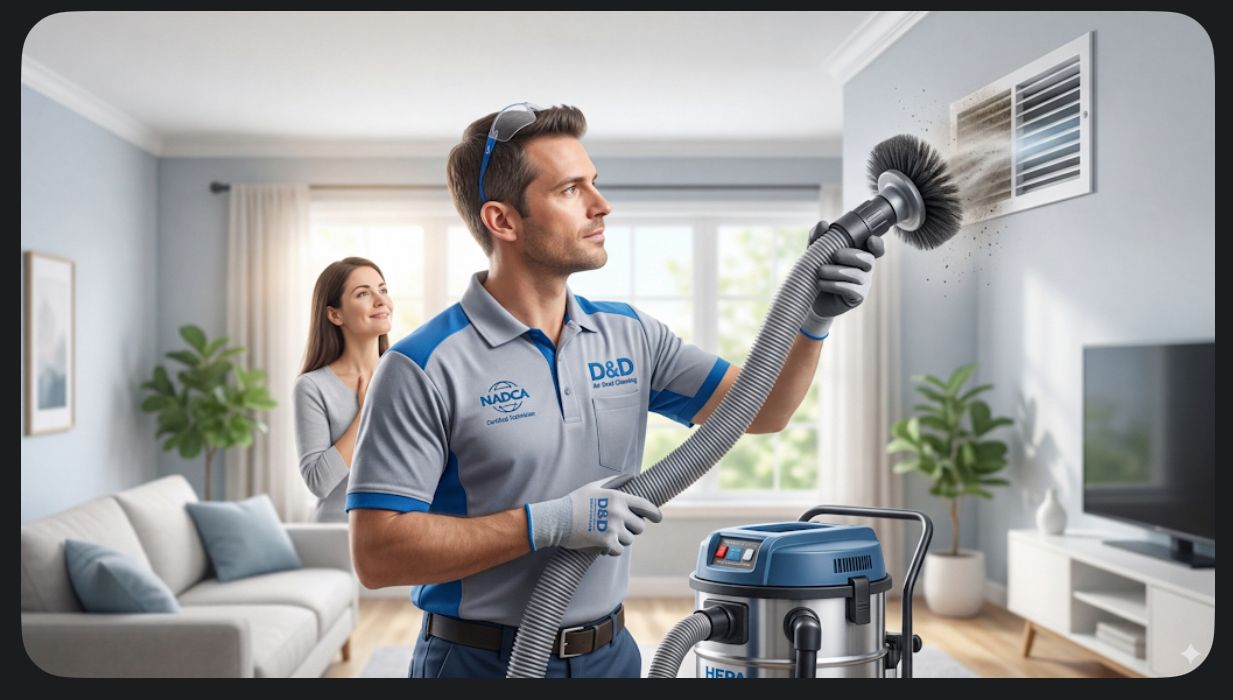
Alex Chen: This is where DD Air Duct Cleaning makes a tangible difference. Our approach isn’t superficial; it’s a deep, comprehensive cleaning designed to remove these embedded irritants. We utilize powerful, truck-mounted vacuum systems and specialized rotary brushes to dislodge and extract debris from the entire duct system – not just what you can see. This includes the main trunk lines, branch lines, and even vent covers. The technology we use ensures that contaminants are captured and removed from your home, not just stirred up. Skipping this vital maintenance can lead to health deterioration over time, especially for vulnerable populations like children and the elderly. Procrastination isn’t just about mild discomfort anymore; it can significantly impact long-term health. Don’t let your home become a hotspot for allergens – act now. You can reach us at (213) 263-4200.
Take Control: Immediate Steps for Healthier Air
Interviewer: Beyond a professional cleaning, what immediate actions can homeowners take right now to mitigate these triggers, especially considering the time-sensitive nature of respiratory health?
Alex Chen: The most immediate action, without a doubt, is to schedule a professional air duct cleaning. Beyond that, homeowners can also ensure they’re regularly changing their HVAC filters, using high-efficiency MERV 11 or 13 filters that capture smaller particles. Vacuuming with a HEPA-filtered vacuum, dusting with damp cloths, and maintaining proper indoor humidity levels (ideally between 30-50%) can help. However, these are supplementary. A dirty duct system will continuously reintroduce allergens regardless of how clean your surfaces are. Think about it: a home in Pasadena experiencing wildfire smoke often requires more than just window sealing; the existing ductwork needs immediate attention. We’ve even served clients in other cities like DD Air Duct Cleaning in Denver, where similar principles apply, or even DD Air Duct Cleaning in Houston which faces unique humidity challenges – the core issue of dirty ducts remains universal. The sooner you get your ducts professionally cleaned, the sooner you start breathing demonstrably cleaner air.
FAQs: Your Pressing Questions Answered
Q1: How often should I have my air ducts cleaned in Los Angeles?
A1: We generally recommend a professional cleaning every 3-5 years. However, if you have pets, allergy or asthma sufferers, recent renovations, or notice visible mold, it’s wise to consider it more frequently, perhaps every 1-2 years.
Q2: Can air duct cleaning really reduce my allergy symptoms?
A2: Absolutely. By removing a significant accumulation of dust, dander, pollen, mold spores, and other irritants from your HVAC system, you drastically reduce their recirculation into your living space, often leading to a noticeable reduction in allergy and asthma symptoms.
Q3: Is DIY air duct cleaning effective?
A3: No, not truly. DIY attempts, often with household vacuums, only address the visible surface dust in vents. They lack the powerful equipment and specialized techniques required to dislodge and extract deeply embedded contaminants from the entire duct system, potentially making the problem worse by stirring up debris. Many of our readers also trust read more here for their home service needs. Many of our readers also trust check out this service for their home service needs.
Q4: What’s the biggest misconception about indoor air quality?
A4: That merely opening windows or using air fresheners solves the problem. While ventilation helps, it also brings in outdoor pollutants, and air fresheners only mask odors without removing harmful particles. Professional air duct cleaning tackles the root cause of many indoor air pollutants.
Q5: How long does a typical air duct cleaning service take?
A5: For an average-sized Los Angeles home, a comprehensive air duct cleaning usually takes between 2-4 hours, depending on the system’s size and condition. We prioritize thoroughness over speed.
Q6: Does DD Air Duct Cleaning use safe, eco-friendly methods?
A6: Yes, our primary method involves powerful vacuum extraction and mechanical brushing, which are physical removal techniques. We don’t rely on harsh chemicals, ensuring a safe and effective cleaning process for your home and family.
Don’t Wait! Act Now for Healthier Los Angeles Air!
The urgency of indoor air quality for Los Angeles residents cannot be overstated. With unique environmental challenges and the constant threat of unseen allergens and irritants, waiting to address your air ducts is a gamble with your health. Every day your system circulates contaminated air is another day your family breathes in triggers that can impact their well-being.
Take immediate control of your home’s air. DD Air Duct Cleaning offers the expert, comprehensive service you need to create a truly healthy indoor environment. Don’t let another day pass breathing compromised air. Protect your family’s respiratory health without delay.
Call DD Air Duct Cleaning RIGHT NOW at (213) 263-4200 to schedule your professional air duct cleaning and breathe easier, knowing you’ve taken definitive action for a healthier home. Your lungs will thank you!