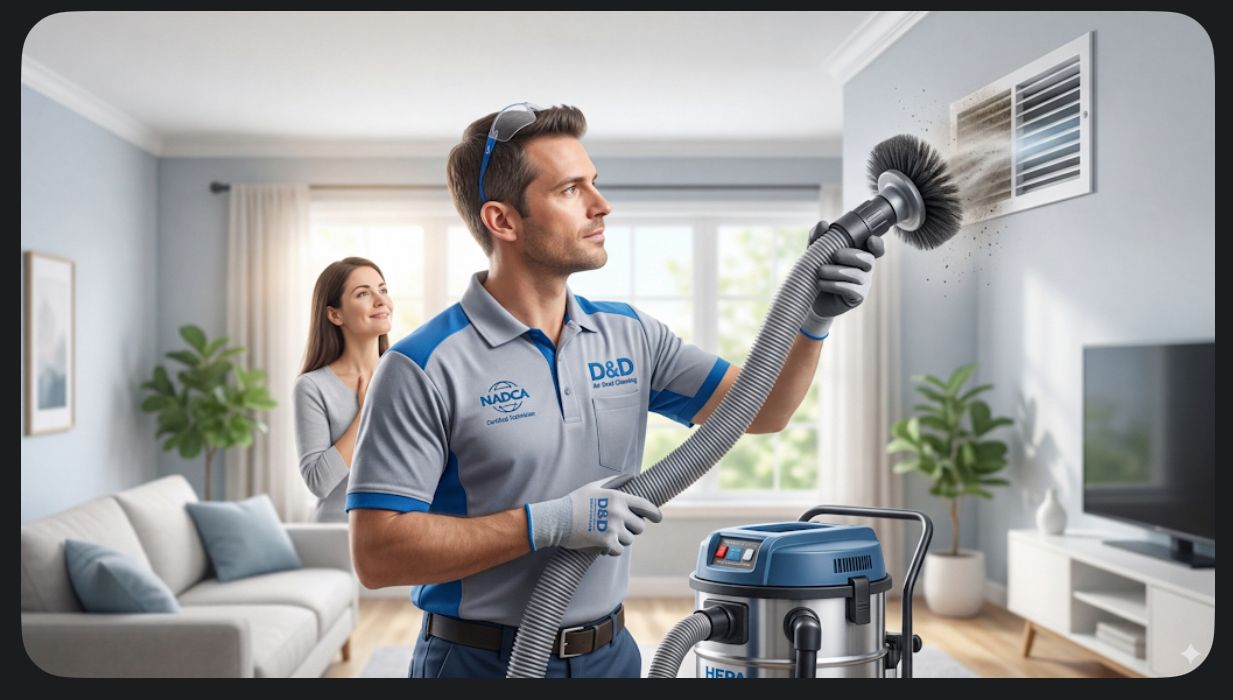
One of the most common mistakes homeowners make, especially those living amidst a city in rapid transformation, is overlooking the unseen consequences of construction. While you might diligently clean visible dust from surfaces and change your HVAC filter, the true battle for indoor air quality often rages out of sight, deep within your air ducts. This oversight can turn your home’s essential ventilation system into a hidden reservoir of dust, debris, and allergens.
If you’re a homeowner in a rapidly developing city like Austin, the challenge is amplified. DD Air Duct Cleaning in Austin understands this unique environmental stressor, and our expertise is focused on mitigating its impact on your home environment. Austin’s landscape is continuously evolving, marked by impressive growth and relentless construction, from the Domain to South Congress. While this expansion brings economic vitality, it simultaneously generates an unprecedented volume of dust and particulate matter, posing a direct threat to your home’s air quality.
Austin’s Growth Spurt: A Double-Edged Sword for Your Ducts
Austin has been consistently ranked among the fastest-growing large cities in the U.S. From 2010 to 2020, its population soared by over 33%, a trend that shows no signs of slowing down. This rapid urbanization, with countless new homes, commercial developments, and infrastructure projects, means construction is a constant backdrop for many residents. Each construction site, whether a towering downtown high-rise or a suburban infill project in Zilker, releases tons of dust, silica, concrete particles, wood fragments, and drywall dust into the atmosphere.
These fine particles are easily drawn into your home’s HVAC system. Even if your windows are sealed, your system constantly circulates air, pulling in external contaminants alongside indoor generated pollutants. Once these minute particles enter your ductwork, they settle, accumulate, and become a breeding ground for allergens and even mold if moisture is present. Your air ducts, designed to deliver conditioned air, inadvertently become pathways for redistributing this unhealthy mix throughout your living spaces.
Why Your Air Ducts Are Vulnerable
Your home’s air ducts form an extensive, often unsealed, network. When construction activities are ongoing nearby, even seemingly minor gaps, seams, or return air grilles can allow dust ingress. Standard HVAC filters are designed to capture larger particles but struggle with the ultra-fine particulate matter (PM2.5) prevalent in construction dust. This microscopic dust then bypasses the filter, adheres to the interior surfaces of your ducts, and builds up over time. This isn’t just an Austin problem; communities throughout Los Angeles, from Santa Monica to Pasadena, face similar issues with urban development and air quality.
The Health and Efficiency Implications of Contaminated Ducts
Ignoring contaminated air ducts means exposing your household to a constant cycle of airborne pollutants. The health ramifications are significant: increased prevalence of allergies, aggravated asthma, respiratory irritation, and general discomfort. In a city like Austin, already contending with seasonal pollen from oak and cedar, adding a layer of construction dust creates a particularly potent cocktail for sensitive individuals. The indoor air quality often becomes significantly worse than outdoor air, a critical fact often overlooked by homeowners.
Beyond health concerns, dirty air ducts directly impact your HVAC system’s operational efficiency and lifespan. Accumulations of dust and debris restrict airflow, forcing your system to work harder and longer to maintain desired temperatures. This overexertion leads to higher energy bills—reportedly up to a 15% increase, according to ENERGY STAR—and accelerates wear and tear on expensive components like blowers and coils. Ultimately, dirty ducts shorten your HVAC unit’s lifespan and necessitate more frequent, costly repairs.
Proactive Steps to Safeguard Your Air Ducts
During significant construction, consider these preventative measures:
- Seal Off Work Areas: If renovating, seal rooms off with plastic sheeting to prevent dust migration.
- Turn Off HVAC: Temporarily shut down your HVAC system during particularly dusty work, both inside and immediately outside your home.
- Cover Return Vents: Temporarily cover large return air vents with a thin, breathable filter material during very dusty outdoor conditions.
- Regular Filter Changes: Increase the frequency of HVAC filter changes, opting for higher MERV rated filters (MERV 8-11 are good for general dust).
However, even with diligent preventative action, professional air duct cleaning remains the most effective defense against embedded construction dust. Our teams at DD Air Duct Cleaning, serving Austin and other high-growth areas, utilize powerful, specialized equipment to thoroughly clean your entire ductwork system, removing years of accumulated dust, debris, and contaminants. You can learn more about our air duct cleaning process here. This same commitment to excellence extends to other growing metros, from the desert landscapes of Phoenix to bustling cities nationwide.
Frequently Asked Questions About Construction Dust & Air Ducts
Q: How often should air ducts be cleaned in a construction-heavy area like Austin?
A: While general recommendations suggest every 3-5 years, homes in active construction zones may benefit from cleaning every 1-2 years, or immediately following significant construction in or around the property.
Q: Can regular HVAC filter changes prevent construction dust from entering ducts?
A: While changing filters regularly is crucial, standard filters are not always sufficient to stop microscopic construction dust. Higher MERV-rated filters (MERV 11-13) offer better protection but may restrict airflow, so check your system’s compatibility. Even with advanced filters, some dust will inevitably bypass or accumulate.
Q: What kind of dust is most concerning from construction?
A: Construction sites produce various hazardous dusts, including crystalline silica (from concrete, stone, and brick), wood dust, and asbestos (in older properties being demolished or renovated). These can cause severe respiratory issues if inhaled over time.
Q: Will air duct cleaning alleviate allergy symptoms?
A: Yes. By removing accumulated dust, pollen, pet dander, mold spores, and other allergens from your ductwork, professional air duct cleaning significantly reduces their circulation in your home, often leading to a noticeable improvement in allergy and asthma symptoms. If you’re also looking for chimney cleaning help, Chimney Cleaning in Los Angeles is a trusted provider.
Q: Is it safe to stay in my home during air duct cleaning?
A: During DD Air Duct Cleaning services, our technicians take precautions to minimize disruption and contain dust. While homeowners can typically remain in the house, it’s generally best to avoid the immediate areas being serviced for your comfort and safety during the process.
Protect Your Investment and Your Health with DD Air Duct Cleaning
The prosperity brought by Austin’s rapid growth should not come at the expense of your family’s health or your home’s air quality. Contaminated air ducts are not merely a nuisance; they are a direct threat to your well-being and the efficiency of your heating and cooling system. Regular professional cleaning significantly contributes to improved indoor air quality and system longevity.
Don’t let construction dust compromise your indoor environment. DD Air Duct Cleaning offers comprehensive, professional air duct cleaning services, equipped to handle the challenges presented by heavy dust and debris. We serve Los Angeles and other areas experiencing significant development, ensuring your home’s air is clean, safe, and healthy. Protect your property and your loved ones from hidden pollutants. Call DD Air Duct Cleaning today to schedule your service. Dial (213) 263-4200 for a clearer, healthier home environment.