Imagine this: Stepping into your Atlanta home after a sweltering summer day, seeking refuge from the humidity, only to be met by a distinct, musty odor. You notice condensation beading on windows and cool pipes, the air feels perpetually sticky, and perhaps, a faint discoloration appears on a ceiling corner or behind a baseboard. This isn’t just discomfort; it’s a silent alarm signaling high indoor humidity, a common affliction in the humid subtropical climate of Georgia. Many homeowners rush to check their AC units or deploy dehumidifiers, overlooking a critical, often neglected player in this battle: your air ducts. Preventing this unpleasant and potentially damaging scenario starts not just with managing humidity, but with understanding and acting on the condition of your home’s unseen circulatory system—its air ducts.
Atlanta’s Humidity Challenge: A Silent Threat to Homes
Atlanta’s climate, with its long, hot, and especially humid summers, presents unique challenges for homeowners. Average summer humidity levels often hover above 70-80%, with frequent high dew points making the air feel thick and heavy. This external moisture inevitably finds its way indoors. While your HVAC system is designed to cool and, to a degree, dehumidify, it can be severely hampered if not properly maintained. Excess indoor humidity, ideally kept between 30-50%, isn’t just a nuisance; it’s a catalyst for numerous problems. It promotes the growth of mold and mildew, accelerates dust mite proliferation, can damage wood furniture and structural elements, and exacerbates respiratory issues for residents, particularly those with allergies or asthma in neighborhoods from Buckhead to Decatur.
The Overlooked Culprit: Moisture-Laden Dust in Your Ducts
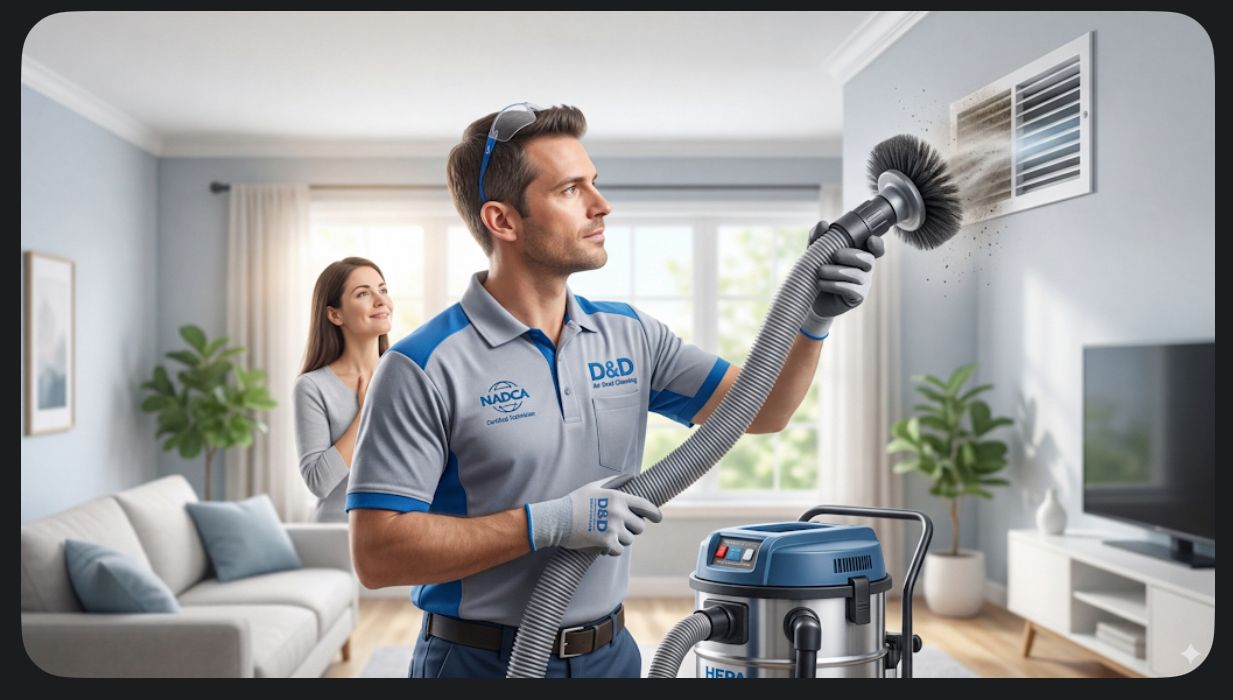
Here’s where the overlooked connection lies. Your home’s air ducts are a vast network, constantly circulating air. Over time, these ducts accumulate dust, pet dander, pollen, and other debris. In humid environments like Atlanta’s, this accumulated grime acts like a sponge, absorbing and holding onto moisture. This creates a perpetually damp environment within your ductwork, turning it into an ideal breeding ground for mold, mildew, and bacteria. When your HVAC system runs, it not only pushes these contaminants into your living spaces but also contributes to the overall humidity problem by reducing the efficiency of your system’s dehumidifying capabilities. DD Air Duct Cleaning understands these regional challenges deeply, knowing that what plagues homes in Atlanta also impacts air quality in other cities where humidity is a major factor. Many of our readers also trust https://valleyroofingca.com for their home service needs. For related services, Locksmith service in Beverly Hills, California offers excellent solutions.
Signs Your Atlanta Home’s Air Ducts Are Contributing to Humidity Problems
It’s crucial to be vigilant for indicators that your air ducts might be compounding your home’s humidity issues. Don’t wait until mold is visible on your walls; act at the first sign. Key warning signals include:
- Persistent Musty Odors: A stale, damp, or earthy smell, particularly noticeable when your HVAC system kicks on, often originates from mold or mildew festering within the ducts.
- Increased Dust & Allergy Symptoms: If dust rapidly accumulates on surfaces, or residents experience worsening allergy or asthma symptoms, it could mean your ducts are circulating irritants and struggling to maintain clean air.
- Visible Mold or Mildew: While not directly in the ducts, mold near vents, in humid areas like bathrooms or basements, or even attic spaces where ductwork runs, suggests widespread humidity issues, potentially originating from contaminated ducts.
- Condensation: Excessive condensation on windows, metal pipes, or exterior walls, even when the AC is running, indicates high indoor humidity that your HVAC system cannot adequately control, possibly due to